



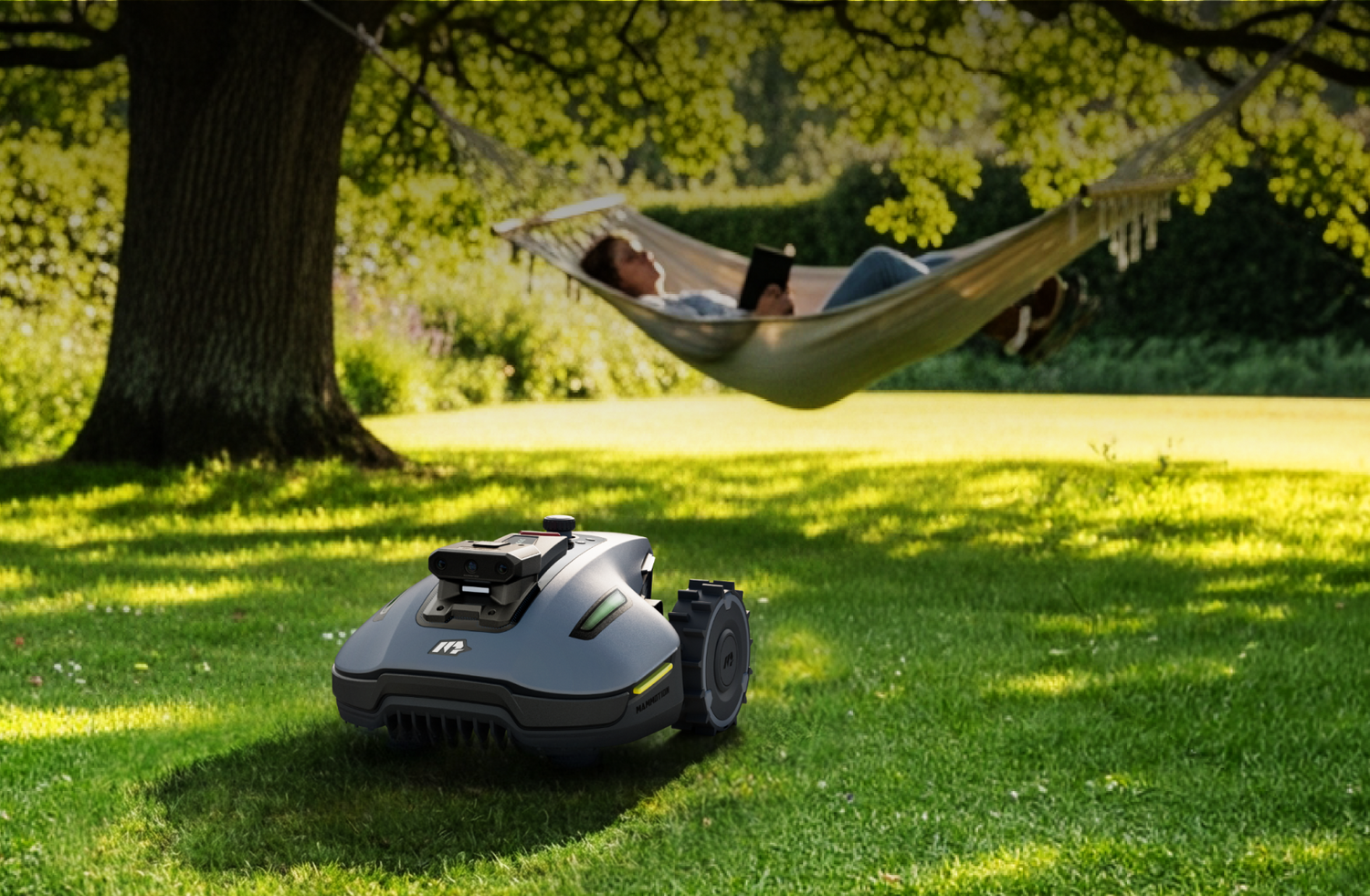
The shift toward battery power in British gardens has been massive lately. Many of us are ditching the noisy, "faffy" petrol engines for something quieter and cleaner. However, the "range anxiety" is real.
Lawn mower battery life depends on whether you mean runtime (how long you can mow before recharging) or lifespan (how many years before you need a new battery). On average, a modern cordless mower battery will run for 30 to 60 minutes per charge, while high-end robotic mowers can work for up to 200 minutes.
In terms of total lifespan, you can expect a quality lawn mower battery to last between 3 and 5 years with proper care like Mammotion robot lawn mower series.
In this guide, we will break down the technicalities of battery health, from the chemistry inside the cells to the impact of the damp British climate on your mower's performance.
Part 1. How Long Should a Lawn Mower Battery Last?
When assessing how long does a lawn mower battery last, it is crucial to distinguish between the "runtime" of a single session and the overall "lifespan" of the hardware. In the UK, where grass can be thick and often damp, these figures can fluctuate based on how hard the motor has to work.
Battery Runtime (Per Charge)
The runtime is the duration you can mow before the machine needs to head back to the charging station or have a fresh battery swapped in.
Standard Cordless Mowers
These typically offer 30–60 minutes of continuous cutting. This is usually enough for a standard suburban "back garden," but might require a mid-job recharge for larger detached properties.
Robot Lawn Mowers
robotic lawn mower systems are designed for endurance, usually ranging from 60 to 250 minutes, like some of Mammotion LUBA or YUKA robot lawn mowers models.
Battery Lifespan (Total Years)
The lifespan refers to how many seasons the battery will remain functional before its capacity degrades significantly.
Average Lifespan
Most homeowners find their rechargeable mower battery lifespan sits between 2 and 4 years. While a lawnmower equipped with a high-quality battery can last up to 3-5 years.
Premium Systems
High-end robotic models with sophisticated Battery Management Systems (BMS) often have longer lifespan. Even after this period, the battery rarely "dies" instantly; instead, you’ll notice the runtime per charge gradually decreasing.
|
Mower Type |
Runtime per Charge |
Expected Lifespan |
Typical UK Garden Size |
Models |
|
Push Cordless |
30–60 mins |
2–4 Years |
Small to Medium (Up to 200m²) |
EGO Power+、Greenworks、Ryobi |
|
Robotic (Entry) |
60–150 mins |
3-5Years |
Medium (Up to 1000m²) |
Mammotion YUKA /YUKA mini series |
|
High-End Robot |
150–250 mins |
3-5Years |
Large / Professional (1500m²+) |
Mammotion LUBA series |
Part 2. Different Types of Lawn Mower Batteries Lifespan
Different types of lawn mower batteries have different lifespans because their chemical composition and technology determine how efficiently they store, deliver, and degrade energy over time.
Lead-Acid Batteries: Usually 1 to 3 years.
You’ll mostly find these in older budget models or larger sit-on tractors. While they are cheaper upfront, they are significantly heavier and require more "TLC" to stay healthy.
They are sensitive to deep discharges. If you leave a lead-acid battery flat over a cold British winter, it may never recover. They also struggle in the cold, often losing significant capacity when the temperature drops below 5°C.
Lithium-ion (Li-ion) Batteries: 2 to 4 years
Most contemporary cordless mowers and high-end tools use Lithium-ion. They have largely replaced older technologies because they are incredibly energy-dense and lightweight—a massive plus if you have a garden with steep banks or tight corners.
These batteries provide consistent power; the mower won't lose "oomph" as the charge drops. They also don't suffer from "memory effect," meaning you don't have to fully deplete them before plugging them back in.
Smart Battery Systems: 3 to 5 years
Newer robotic mowers, like the Mammotion new series, use advanced Smart Battery Management Systems (BMS). It’s intelligent charging set custom charging limits (e.g., 80%) to extend battery lifespan, or use Smart Mode - where the mower maintains a storage charge and only tops up fully right before the next scheduled task.
|
Battery Type |
Avg. Lifespan |
Performance in Cold |
Weight |
|
Lead-Acid |
1–3 Years |
Poor |
Heavy |
|
Lithium-ion |
2–4 Years |
Good |
Light |
|
Smart Li-ion |
3-5Years |
Excellent |
Optimised |
Part 3. What Affects Lawn Mower Battery Life?
Several variables dictate how long does a lawn mower battery last in a real-world setting. In the UK, our unique gardening environment—characterised by "four seasons in one day"—plays a massive role in how much strain is put on your power cells.
Lawn Size & Mowing Frequency
The more often you mow, the quicker you burn through charge cycles. During the "spring surge" in April and May, British grass grows at an incredible rate, often requiring twice-weekly trims. If you have a sprawling garden, your battery will naturally reach its cycle limit faster than someone maintaining a small suburban patch.
Terrain: Slopes and Thick Grass
The British landscape is rarely flat. If your mower is constantly battling on a more than 25-degree slope or pushing through thick, damp Ryegrass, the motor draws significantly more current. This extra "grunt" generates heat, which is the primary enemy of long-term battery health.
The British Weather
Temperature extremes are a silent killer for lithium cells.
- Cold: Storing your mower in a freezing garden shed over winter can cause "lithium plating," permanently reducing its capacity.
- Heat: While rare, a scorching July afternoon can cause batteries to overheat, triggering safety cut-offs and slowing down your gardening progress.
Charging Habits
Many gardeners make the mistake of leaving their battery on the charger all winter or letting it run down to 0% every time they mow. Neither is ideal. Batteries are happiest when kept within a "goldilocks zone" (usually between 20% and 80% charge).
Part 4. Energy Efficiency: Robot vs. Traditional Mowers
When you shift from a traditional push mower to an autonomous system, the question of how long a lawn mower battery lasts takes on a new meaning.
Traditional mowers are built for "peak power"—they need enough torque to whack through overgrown, often wet, British grass. This is incredibly taxing on a battery. In contrast, robotic mowers are the "marathon runners" of the gardening world.
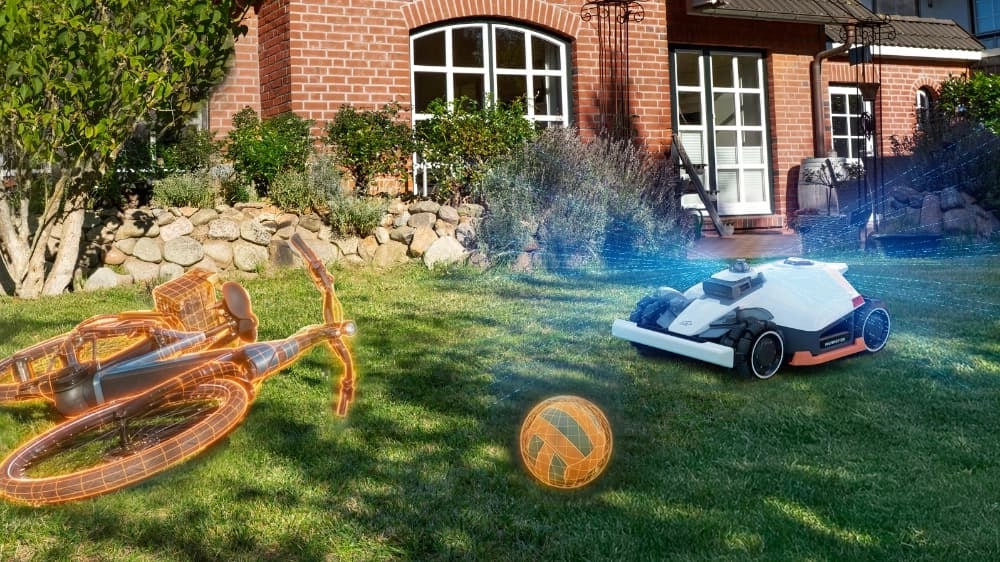
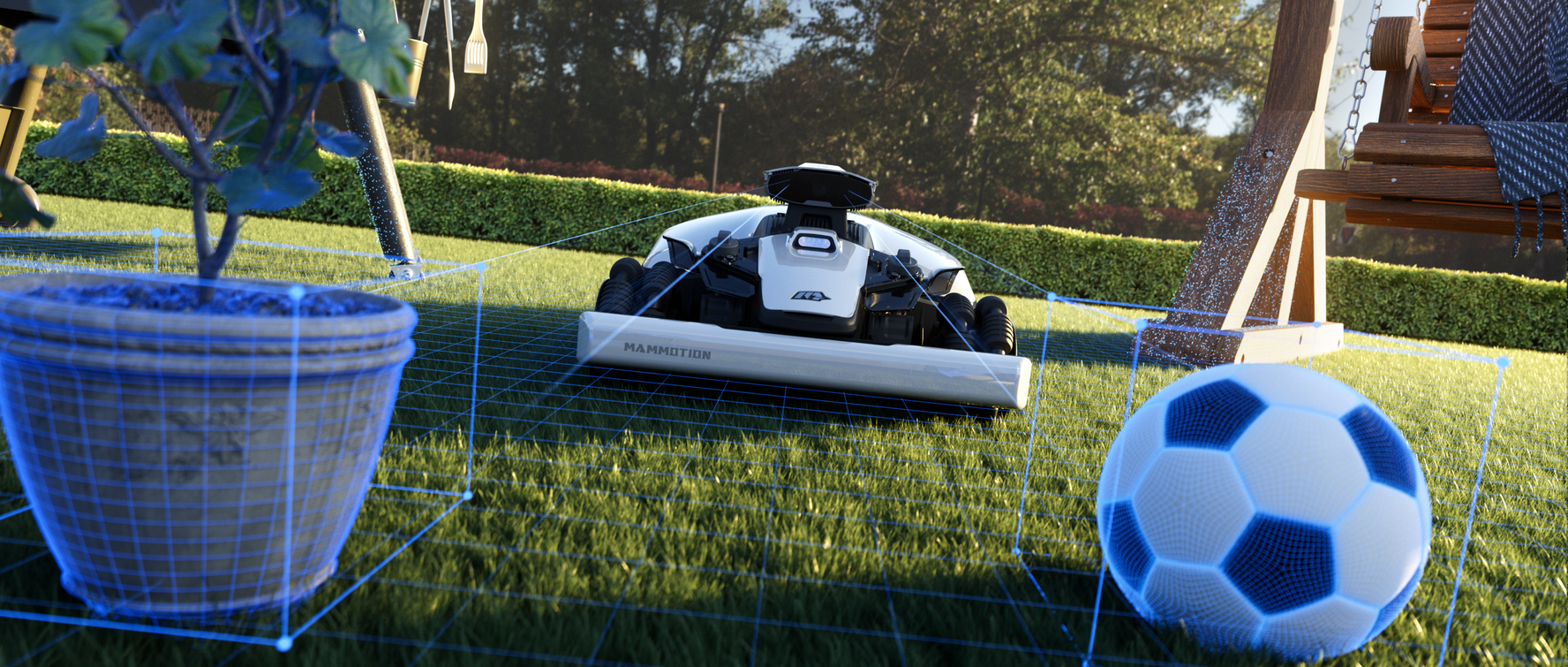
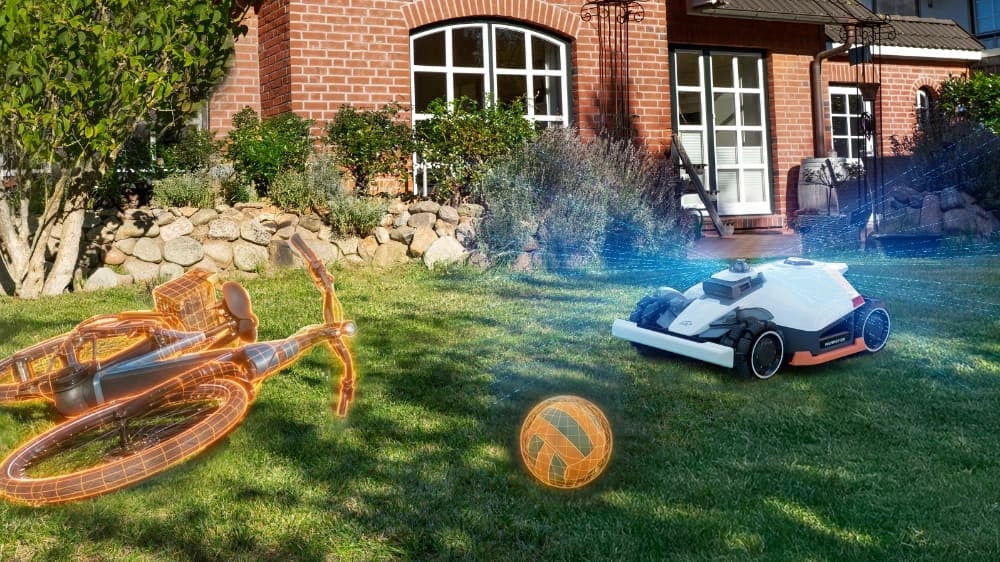
Unlike a manual cordless mower that stops dead when the power runs out, a robotic mower is "self-aware." The efficiency of systematic navigation over rudimentary random patterns is a decisive factor. Unlike traditional mowers that wander aimlessly—repeatedly traversing the same patch of turf—Mammotion’s precision-path technology ensures the most direct and logical route. By reducing the total operational time required to groom your lawn, the battery undergoes significantly fewer discharge cycles for the same acreage. In short, less time spent ‘on the tools’ means a dramatically extended battery lifespan.
robot lawn models like Mammotion robot lawn mowers series constantly monitor their own voltage. When the battery hits a specific threshold, the mower pauses its progress and uses its navigation technology to find the most efficient path back to the charging station. Once topped up, it resumes exactly where it left off.
One of the biggest advantages of modern robots is their ability to perform multi-cycle mowing. If you have a sprawling 5,000m² lawn, a single charge might not cover every blade of grass. The system intelligently breaks the task into manageable sessions. It might mow for 215 minutes, charge for 145 minutes, and then head back out. Because it mows frequently, the grass is always short, which requires much less "grunt" from the battery compared to a traditional weekly cut.
|
Feature |
Traditional Cordless Mowers |
Mammotion Robotic Mowers |
|
Power Logic |
High-torque bursts (uses more energy) |
Consistent, low-energy maintenance |
|
Navigation |
Human-led (often repetitive overlaps) |
AI-planned paths (minimal wasted travel) |
|
Grass Management |
Heavy cutting (taxing on motor) |
Micro-mulching (efficient & healthy) |
|
Human Effort |
High (manual charging/swapping) |
Zero (autonomous docking) |
Part 5. Why Modern Mammotion Robotic Mowers Last Longer?
When evaluating the longevity of a robotic mower, the battery is often viewed in isolation. However, Mammotion understand that battery health is a direct result of systemic efficiency. Our power systems excel through a three-tier architecture of hardware dominance and intelligent orchestration.
Top-tier Energy Density
We lead the industry with top-tier energy density. Mammotion units are equipped with the largest battery capacities in their respective classes. This ‘first-tier’ hardware allows for a vastly superior working area on a single charge. Because the frequency of returning to the docking station is minimised, the cumulative wear on the lithium cells is reduced, preserving the battery’s chemical integrity for years longer than lower-capacity competitors.
Active Battery Management (BMS)

Besides, our intelligent charging and scheduling algorithms act as a digital guardian for your power cell. Rather than aggressive, blunt charging, our system employs sophisticated power management that balances cells and manages thermal loads based on the battery's optimal state. This bespoke maintenance of the charging cycle ensures that every Mammotion battery isn't just powering a mower—it is being preserved for the long term. Mammotion’s Deep Sleep mode curtails standby energy consumption by 100 kWh annually, while our Custom Charge Limit ensures your battery isn’t ‘stressed’ by constant full capacity—only reaching 100% precisely when your scheduled task demands it.
Part 6. How to Extend Your Lawn Mower Battery Lifespan
Replacing a high-capacity lithium battery can be a significant investment, so proper care is essential. To truly maximize how long a lawn mower battery lasts, you need to treat it less like a fuel tank and more like a precision electronic component. The key is to reduce stress on the battery’s internal chemistry over time.
1. Maintain an Optimal Charge Range (20–80%)
- Lithium-ion batteries degrade fastest when consistently kept at extreme charge levels.
- Keeping your battery between 20% and 80% helps minimise chemical stress and slows down capacity loss.
Many robotic mowers (such as Mammotion models) automatically manage this range through built-in battery management systems (BMS), but for manual mowers, it’s best to avoid frequent full charges unless necessary.
2. Avoid Deep Discharge (0%)
- Letting your battery drop to 0%—especially for extended periods—can trigger a deep discharge state, which may permanently damage the cells or make the battery unrecognizable to the charger.
Recharge the battery soon after use, especially after long mowing sessions.
3. Control Temperature Exposure
- Heat and cold are two of the biggest enemies of battery lifespan.
- High temperatures accelerate chemical aging
- Low temperatures reduce performance and can cause damage during charging (like under 0°C in winter)
- Ideal range: 10°C to 25°C
- Charging immediately after heavy use (battery is hot)
- Leaving the mower in freezing sheds or under direct summer sun
4. Let the Battery Cool Before Charging
- After mowing thick or wet grass, the battery temperature rises. Charging it immediately can increase internal pressure and long-term wear.
5. Use Original or Smart Chargers
Smart chargers communicate with the battery’s Battery Management System (BMS) to:
- Regulate current
- Prevent overcharging
- Optimise charging speed
- Overcharging
- Unstable current
- Long-term battery damage
6. Keep Battery Terminals Clean
Grass clippings, moisture, and dirt can accumulate around battery contacts, especially in damp mowing conditions. Wipe terminals regularly with a dry cloth to ensure stable connections.
7. Store Properly During Off-Season
If you’re not using your mower for extended periods (e.g., winter months):
- Keep in a dry, temperature-controlled space
- Check charge level every 1–2 months
- If the ambient temperature drops below 0 °C (32 °F) during winter, keep the robot and charging station indoors.
Part 7. Signs of a Dying Lawn Mower Battery
Even with the best "TLC" (tender loving care), every battery eventually reaches the end of its natural life.
Rapid Power Drop-off
You start with a full charge, but the battery bars plummet much faster than they did last season.
Shortened Runtime
If your mower previously tackled the entire back garden in one go but now needs a "breather" and a recharge halfway through, the capacity is degrading.
Loss of "Oomph"
The blades struggle to cut through thicker grass that used to be easy, indicating the battery can no longer provide the necessary peak current.
Excessive Heat During Charging
If the battery casing feels uncomfortably hot to the touch while plugged in, the internal resistance is likely increasing.
Swelling or Bulging
A clear physical sign of internal failure—if the battery casing looks "puffy," stop using it immediately and recycle it safely.
Unusually Long Charging Times
The battery takes significantly longer to reach 100%, or the charger never signals that it's finished.
Frequent Error Codes
On robotic mowers, you might see "low voltage" or "battery communication error" alerts on your smartphone app more frequently.
Part 8. When Should You Replace the Battery?
Deciding when to fork out for a replacement depends on your tolerance for "faff." Generally, you should consider a new battery when:
- Capacity drops below 70%: If your 60-minute runtime has shrunk to 40 minutes, it's usually time to plan for a replacement.
- It can't finish the job: When a single charge no longer covers your main lawn area, causing constant interruptions.
- Safety issues arise: Any sign of physical damage, leaking, or extreme overheating means the battery must be replaced for safety reasons.
Conclusion
In summary, a lawn mower’s runtime determines how much work can be completed in a single session, while its overall lifespan dictates whether your garden will remain well-maintained over the coming years. Standard cordless mowers typically operate for 30–60 minutes per charge and have a total lifespan of around 2–4 years. In contrast, smart robotic mowers, equipped with advanced battery technology and intelligent management systems, can significantly extend both runtime and longevity.
To maximise performance and battery life, careful maintenance is essential to ensure the battery reaches its full potential. Choosing a high-quality product, such as a Mammotion robotic mower, combined with proper usage and upkeep, provides a reliable and cost-effective solution for long-term, efficient lawn care.
FAQ
1. How long does a lawn mower battery last per charge?
For a standard cordless push mower, you can expect between 30 and 60 minutes. High-performance robotic mowers, such as the Mammotion LUBA series, can last significantly longer, often even up to 200 minutes per charge depending on the lawn’s complexity and grass thickness.
2. Can I leave the battery in my lawn mower?
For robotic lawn mowers with non-removable batteries, you should keep the mower indoors in a cool, dry place to prevent extreme cold from damaging the battery. if your mower is idle for several weeks, make sure it charges occasionally. Avoid leaving it in a cold garage or outside, as prolonged exposure to low temperatures can shorten battery lifespan.
3. How do I know if my lawn mower needs a new battery?
The most common signs are a significantly shortened runtime, a loss of cutting power in thick grass, or the battery failing to reach a full 100% charge even after several hours on the dock.
4. How often do you need to replace a lawn mower battery?
On average, a quality Lithium-ion battery needs replacing every 2 to 4 years. With smart robotic systems that manage heat and charging cycles more efficiently, you can often push this lifespan even longer.
5. How much does it cost to replace a lawnmower battery?
In the UK, replacement batteries typically range from £100 to £300, depending on the voltage and Amp-hour (Ah) capacity. While high-capacity robot batteries sit at the higher end, their longer lifespan often results in a lower "cost per year."
6. How to charge a lawn mower battery?
Simply connect the battery to its dedicated manufacturer-approved charger or, in the case of a robot mower, ensure the charging station is powered and the contact pins are clean. The mower will automatically dock and manage the charging process itself.
7. How to test a lawn mower battery with a voltmeter?
Set your voltmeter to DC voltage (20V setting). Touch the red probe to the positive (+) terminal and the black probe to the negative (-) terminal. A healthy 18V/20V battery should read between 18V and 21V when fully charged. If it reads significantly below its rated voltage after a full charge, a cell may be dead.