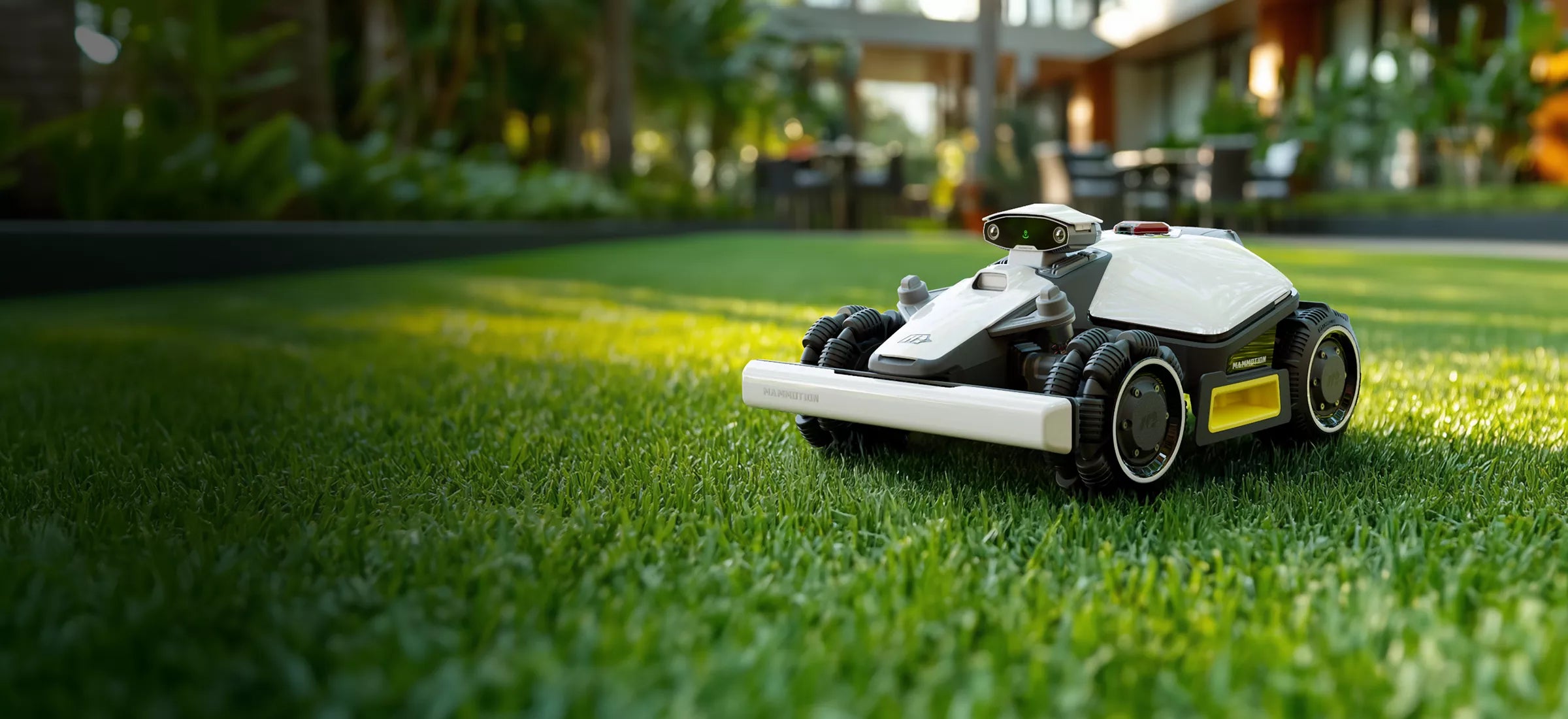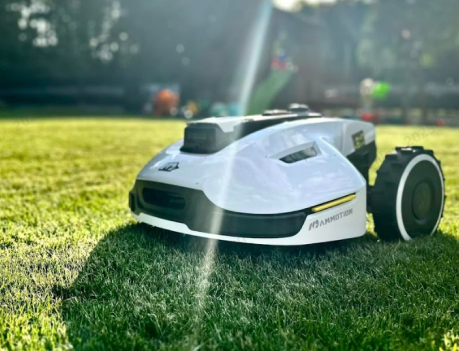



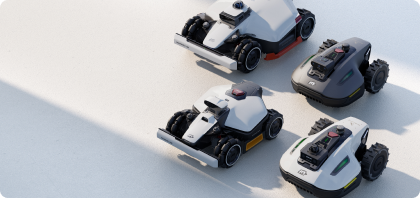

The true value of a modern AI mower isn't just its ability to cut grass without human intervention; it is its ability to perceive, interpret, and react to a dynamic environment. While basic robotic mowers rely on physical impact to change direction, advanced AI vision technology transforms a mower like Mammotion upgraded AI robot lawn mowers from a blind machine into a proactive guardian.
By integrating an AI vision sensor with sophisticated algorithms, these machines can distinguish between a stray blade of grass and a sleeping pet, ensuring that your lawn stays manicured without ever compromising the safety of your family or property.
Part 1. AI Obstacle Recognition: Seeing Danger Before the Damage is Done
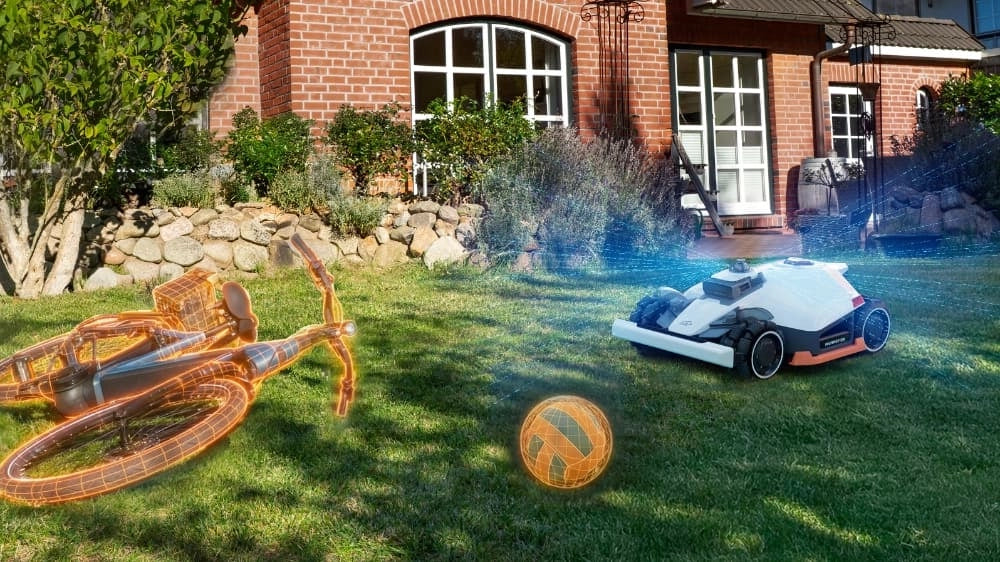
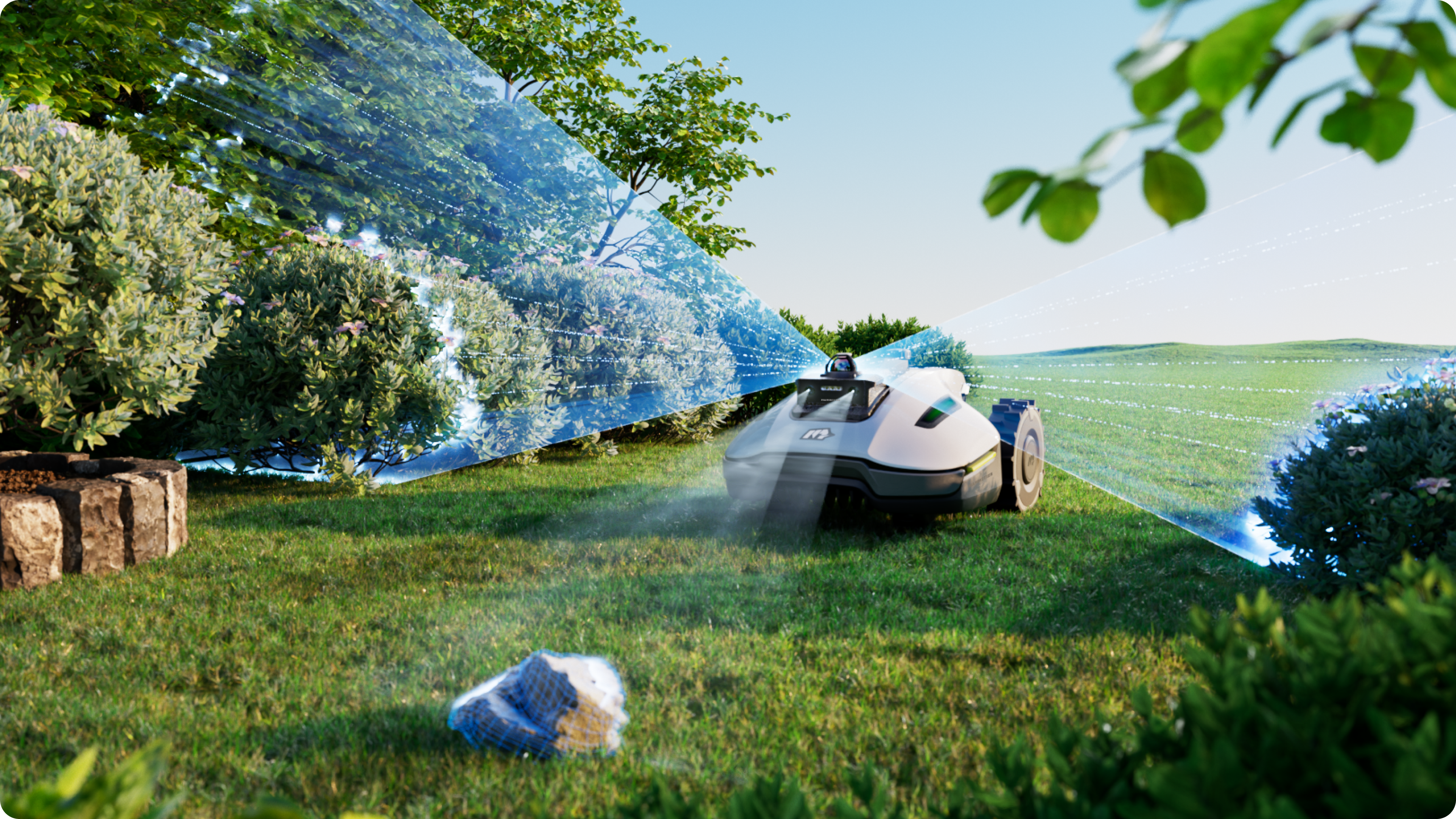
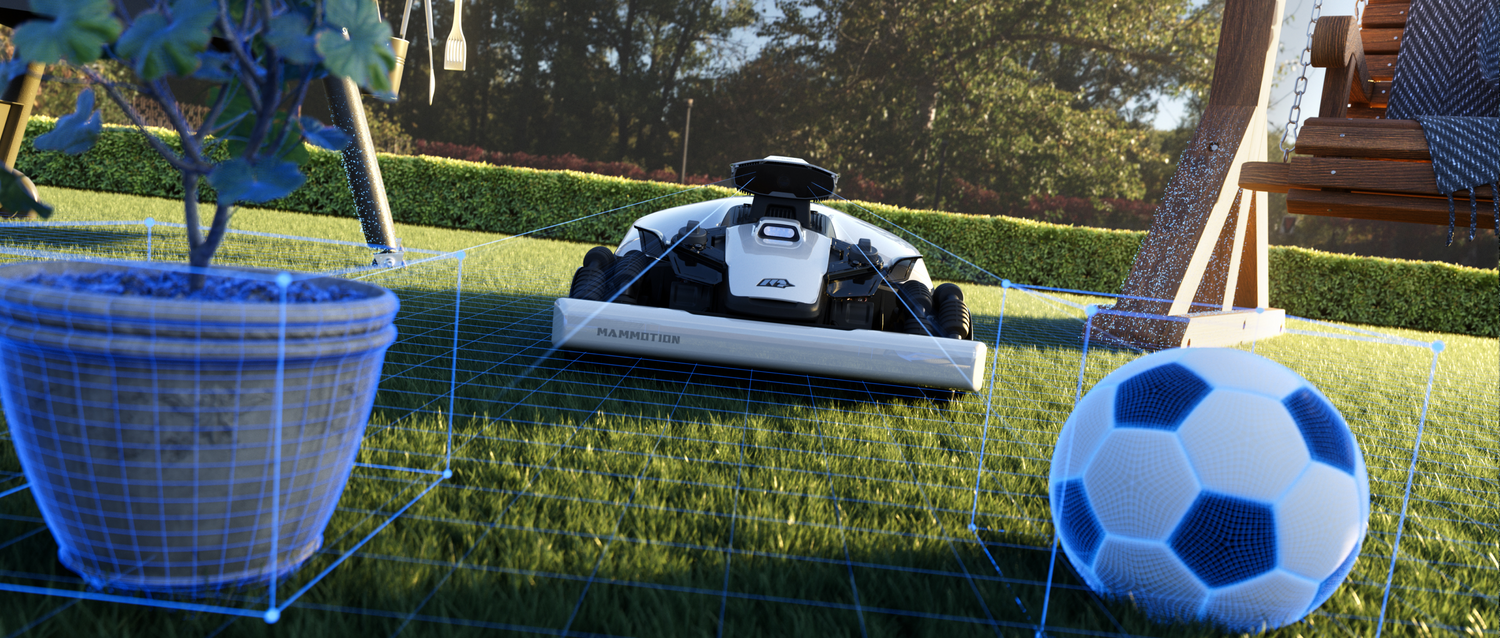
AI obstacle recognition transforms a lawn mower from a reactive machine into a predictive one by utilizing an AI vision camera to identify objects in real-time. Unlike traditional mowers that require physical contact to sense an obstacle, AI vision systems analyze visual data to categorize objects—distinguishing a harmless lawn ornament from a living being—and calculate a safe path around them without ever making contact.
1. The "Eyes" of the Mower: What Can AI Actually See?
Modern AI vision technology has moved far beyond simple motion sensing. Today’s top-tier mowers are equipped with an advanced AI vision sensor that functions similarly to the cameras on self-driving cars.
- Beyond the Basics: Mammotion AI robot lawn mowers can recognize over 300 types of common backyard objects. This includes everything from sleeping pets and garden gnomes to delicate solar lights and stray power cables.
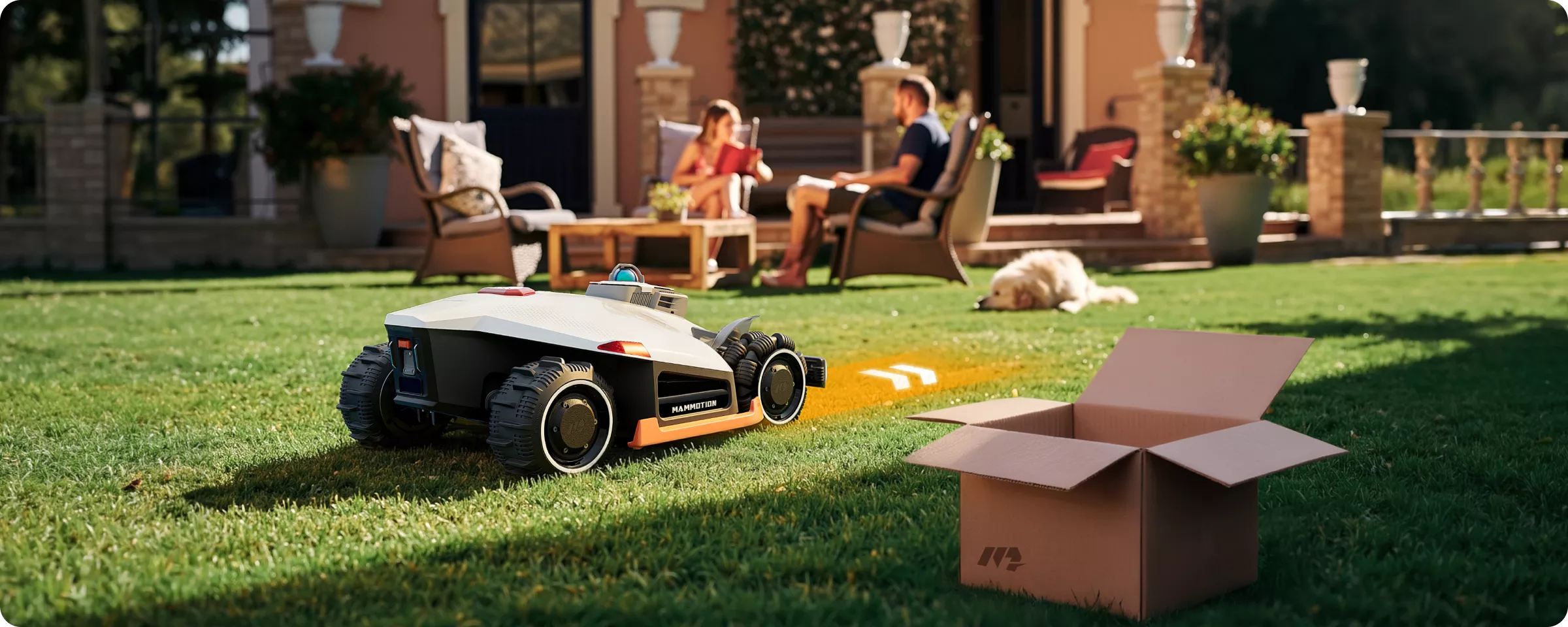
- Proactive vs. Reactive: While traditional "bump-and-turn" mowers wait for a physical collision to trigger a change in direction, AI vision detection identifies the hazard from several feet away. This proactive approach prevents the scuffing of furniture and, more importantly, ensures that the mower never gets close enough to a pet or child to cause alarm.
2. The Brain Behind the Blade: How AI Makes Split-Second Decisions
The hardware is only half the battle; the AI vision software acts as the brain, processing thousands of images per second to make safety-critical decisions.
- Object Identification: The system uses deep learning to distinguish between "static" objects (like a tree) and "dynamic" objects (like a toddler). It knows that a leaf can be mowed over, but a puppy's tail requires an immediate full stop.
- Motion Prediction: High-end AI navigation systems don't just see where an object is; they predict where it is going. If a dog is running across the lawn, the AI calculates its trajectory and halts the blades before the dog enters the "danger zone."
- Triple-Layer Defense: Mammotion devices utilize a combination of an AI vision camera, lift/tilt sensors, and safety interlock keys.
-
Wide-angle physical bumpers serve as a final physical redundant layer, ensuring that if the software ever fails, the mechanical system will instantly cut power to the blades.( Mammotion LUBA series suppot)
3. Owning the Night: Solving the "Hidden" Safety Gap
Night mowing is becoming a standard practice because it keeps the lawn clear for use during the day. However, it presents a massive safety challenge: visibility.
- The Low-Light Challenge: Standard cameras "go blind" after sunset, rendering basic AI vision recognition useless.
- AI Night Vision: Advanced mowers now incorporate AI night vision capabilities. By using infrared sensors or supplemental LED illumination, the mower creates its own light source to maintain 24/7 situational awareness.
- Adaptive Perception: This allows the mower to detect nocturnal animals, such as hedgehogs or owls, which are frequently injured by non-AI robotic mowers that lack low-light detection capabilities.
- Mammotion AI robotic lawn mower features built-in supplemental lighting that enhances AI vision in low-light conditions, ensuring accurate obstacle recognition and smooth, uninterrupted mowing even after dark.
Part 2. Anti-Fall AI: Stopping the Most Costly Mower Accidents
Anti-fall AI acts as a digital safety net, preventing the catastrophic damage caused by mowers tumbling down slopes or into water. By leveraging AI navigation paired with high-precision AI vision recognition, these systems identify steep drops and edge boundaries in real-time.
Unlike basic mowers that might slide off a wet ledge, an AI robotic lawn mower treats boundaries as "hard walls," using predictive terrain mapping to stop or reroute long before it reaches the point of no return.
1. High-Risk Areas Where Falls Commonly Happen
Gravity is the greatest enemy of any autonomous machine. Without sophisticated AI vision technology, a mower is essentially blind to what isn't there—the empty space of a drop-off.
- Steep Edges and Drop-offs: Many yards feature retaining walls or tiered landscapes. A "dumb" mower may lose traction or miscalculate the edge, leading to a total loss of the equipment.
- Steps and Sudden Height Changes: Stone steps are common in garden designs. Without an AI vision sensor, a mower might attempt to "climb" down, resulting in flipped hardware and blade damage.
- Pool Edges and Water Features: This is the most costly accident. Submerging a robot mower usually results in permanent electronic failure.
- Hidden Drops: Often, steep slopes are obscured by tall grass or shadows. Standard sensors fail here, but AI vision detection can interpret the change in depth and shadow patterns to identify a hazard.
2. How AI Fall-Prevention Works
Effective fall prevention requires active safety—the mower must understand the geography of the yard as a 3D space rather than a 2D map.
- Terrain Height and Slope Detection: The AI vision software constantly scans the horizon and the immediate ground. It uses stereoscopic vision (or "depth perception") to measure the angle of the slope.
- AI Classification of “Safe vs. Unsafe Paths”: Through AI object recognition, the mower identifies "safety markers" like pool coping, curbs, or gravel edges. It classifies anything with a gradient above its physical limit as a "no-go" zone.
- Automatic Slowing and Rerouting: As the AI navigation system detects a high-risk edge, it reduces motor speed to increase traction. If the slope is too steep, the AI calculates a new path that keeps a "safety buffer" of several inches from the edge.
- Edge Memory: Once the AI vision robot mower identifies a dangerous drop, it logs the precise coordinates in its virtual map. This ensures that even if visibility is low in the future, the risk is avoided continuously based on learned data.
3. Comparison: Fall Prevention Methods
|
Feature |
Traditional Boundary Wire |
AI Vision System |
|
Detection Method |
Magnetic signal (Reactive) |
Visual depth & AI Recognition (Proactive) |
|
Wet Grass Performance |
High risk of sliding over wire |
Slows down & increases buffer distance |
|
Edge Recognition |
Blind to drops if wire is broken |
Sees physical drops regardless of wire |
|
Setup |
Physical digging/staking required |
Virtual mapping with AI vision monitor |
Part 3. The Cost of Compromise: What Happens Without AI Safety?
Choosing a mower without high-level AI is a gamble that often results in "hidden costs"—ranging from physical property damage to legal liabilities. While a cheaper robot might save money upfront, the lack of an AI vision systems framework means the machine operates on luck rather than logic.
Without AI navigation, the mower becomes a blind kinetic object, turning a helpful tool into a potential liability that can damage your landscape, your outdoor assets, and your peace of mind.
1. The "Pinball" Effect: Wear and Tear on Your Yard
Without AI vision detection, traditional robotic mowers rely on "bump sensors." This creates what experts call the "Pinball Effect."
- Impact Accumulation: Imagine a mower hitting your white vinyl fence or mahogany patio legs 50 times a day, all season long. Over time, this leads to scuff marks, structural weakening, and chipped paint.
- Garden Damage: "Dumb" mowers often struggle with flower bed borders. They may repeatedly bump into delicate saplings or run over low-lying decorative plants because they lack the AI vision software to distinguish a weed from a prized rosebush.
- Mechanical Stress: Constant collisions don't just hurt your furniture; they shorten the lifespan of the mower. Frequent impacts stress the chassis and internal sensors, leading to premature mechanical failure.
2. The Liability Risk: Pools, Walkways, and Public Spaces
The absence of an AI navigation system introduces significant legal and financial risks, especially in open or complex yards.
- The Pool Disaster: A mower without AI object recognition is one traction slip away from a repair bill. If it slides into a pool, the battery and electronics are typically destroyed instantly.
- Public Interaction: If your yard borders a sidewalk, a mower without AI vision technology may wander into the path of a pedestrian or a neighbor's leashed dog.
- Unattended Operation: The true goal of an AI mower is "set it and forget it." However, without AI vision monitor capabilities, you can never truly leave the machine unattended, defeating the entire purpose of automation.
3. Comparison Table: AI-Powered Safety vs. Traditional "Dumb" Mowers
|
Feature |
AI-Powered Mower |
Traditional Robotic Mower |
|
Obstacle Detection |
AI Vision Camera |
Physical Bump Sensor (Contact) |
|
Reaction Time |
Proactive (Stops before contact) |
Reactive (Stops after impact) |
|
Night Safety |
AI Night Vision & LED Illumination |
Limited/Blind (High risk to pets) |
|
Path Planning |
Intelligent AI Navigation |
Random "Pinball" Pattern |
|
Drop-Off Safety |
AI Vision Sensor depth mapping |
Boundary Wire (Fails if wire breaks) |
|
Object Awareness |
Distinguishes pets, toys, and debris |
Treats all objects as "bumps" |
Part 4. Who Should Prioritize AI Safety the Most?
If you are on the fence about whether you need high-level AI vision technology mower like Mammotion robot lawn mower, consider if your household falls into these high-priority categories:
Pet Owners
Small pets and nocturnal wildlife are at the highest risk from "blind" mowers. If you have a dog or cat that enjoys the yard, AI object recognition is a non-negotiable requirement.
Families with Children
Kids move fast and unpredictably. An AI navigation system that can predict motion and stop the blades instantly is essential for a family environment.
Yards with Complex Landscapes
If your property includes a swimming pool, steep retaining walls, or multi-level garden beds, the anti-fall capabilities of an AI robotic lawn mower will save you from thousands of dollars in equipment damage.
Night Mowers
If you prefer your lawn to be mowed while you sleep, AI night vision is the only way to ensure the mower doesn't encounter hidden hazards in the dark.
Conclusion
In the world of automated landscaping, a beautiful lawn is the expected result, but a safe yard is the ultimate goal. An AI mower like Mammotion AI robot lawn mower equipped with the latest AI vision systems represents the peak of this philosophy. By choosing a mower that can "see" like a human and "think" like a computer, you are investing in a future where technology serves the household without endangering it.