







Whether you’re planning to upgrade to more advanced gardening equipment—perhaps a smart robot lawn mower—or your old faithful has finally cut its last blade of grass, you might be wondering: what to do with old lawn mower units to save hassle and clear some space?
The key to handling these bulky items lies in one core question: Is it still in working order, or has it completely given up the ghost? Your approach will differ significantly based on the machine's condition. For a mower that still runs, the focus is on maximising its value; for broken equipment, you’ll need a more practical strategy to ensure that waste oils, batteries, and metal components are handled in line with environmental regulations.
In this guide, we will break down the best ways to dispose of old lawn mower models in the UK and Europe, ensuring your old gear has a safe, legal, and efficient "send-off."
Part 1. Still Working: 5 Useful ways to dispose of Your Old Lawn Mowers
If your old machine is still in good working order, popular options include selling it on, donating it to local community groups or charities, using retailer part-exchange schemes, or even gifting it to a neighbour for shared use. Alternatively, you might keep it as a backup for different seasons or specific areas of the garden. Below, we provide the practical steps on how to get rid of an old lawn mower that still has life left in it. Where can I dispose of old lawn mowers that still function? Here are the specific steps:
1. Resale (Second-hand Sales)

If an old machine can still run normally and safely, one of the most common and accepted ways to get rid of an old lawnmower in Europe is through the second-hand market. In most European countries, the market for pre-owned gardening equipment is very mature; many households prefer the value for money offered by a used machine over buying brand new. For the seller, reselling prevents waste and allows you to recoup some of your initial costs.
Platform Choices
- eBay UK: The UK’s largest hub for used gardening tools. Searching for "Used garden tools" or specific brands will show a huge range of private and refurbished listings.
- Gumtree: The UK's best-known classifieds site. Ideal for finding local buyers for heavy equipment, such as large petrol mowers or ride-ons, saving you the hassle of shipping.
- Preloved: A community-focused marketplace where many gardening enthusiasts sell or gift equipment they no longer need.
- Auto Trader Farm: Best for if you are selling heavy-duty agricultural or professional-grade equipment (e.g., tractors or industrial mowers).
Suitable Types of Mowers
- Petrol mowers
- Corded electric mowers
- Battery-powered mowers (Lithium-ion)
- Robot lawn mower models
Important Considerations
- Honesty is key: You must accurately describe the true condition of the machine. Hiding faults or exaggerating performance can lead to disputes.
- Safety for Petrol Mowers: Ensure there are no fuel leaks. You should empty the fuel tank before transport, and the start/stop functions must work correctly.
- Battery Health: For cordless models, the battery state often determines the sale. Mention the age of the battery, whether there is significant degradation, and if it is the original manufacturer's battery.
- Robot Mowers: You must unbind the system by restoring factory settings, removing the account link from the app, and providing all accessories (charging station, power cable, boundary supplies).
2. Donating to Community or Charity Organisations

If your old machine is still in good working order, donating it to a local group or charity is a widely respected and popular choice. Such donations often support community gardens, non-profits, school projects, or small local associations.
Rather than seeing the equipment as "clutter" to be cleared, you are allowing it to continue serving public spaces. This is a brilliant way to dispose of old lawn mower units while extending their useful life.
Donation Channels
- Charity Shops (Furniture & Electrical): The British Heart Foundation (BHF) has many dedicated stores across the UK that accept electric or ride-on mowers in good condition, often providing a free collection service.
- The Salvation Army: They accept gardening tools to raise funds for social rescue work.
- Tools for Self Reliance: A meaningful organisation that collects, repairs, and sends old tools to Africa to help people start their own businesses.
- Community Gardens & Allotments: Search for your local "Allotment Association"; many shared vegetable gardens are very grateful for donated tools.
- Freecycle: A famous online "giving" network where you post an ad and a neighbour comes to collect the item for free.
Suitable Types of Mowers
Most mowers in good condition are accepted, though UK charities generally prefer robust, easy-to-maintain models.
Important Considerations
- The equipment must be able to start and stop safely.
- For petrol mowers, you must empty the fuel tank before handing it over.
- Not all shops accept battery-powered or robot lawn mower models due to battery storage regulations and software/account management complexities. Always call ahead to confirm.
3. Retailer "Trade-in / Recycling" Schemes
In the UK, the WEEE (Waste Electrical and Electronic Equipment) recycling system is highly mature, providing clear channels for retailers to handle electric and electronic garden tools. Using a retailer is a time-saving and effortless way to dispose of old lawn mower units.
Many shops will accept your old machine for free when you purchase a new one, regardless of whether the old one still works. For users, this eliminates the need to find buyers or arrange complex transport.
Recommended Retailers for Recycling/Trade-in
|
Country |
Recommended Retailers |
Core Advantage |
|
UK |
B&Q, Homebase, Currys |
Widespread locations often offer vouchers or discounts. |
Suitable Types of Mowers
Most models are accepted, including corded, battery, and robot lawn mower units. Some retailers may also accept petrol mowers depending on their specific store policy.
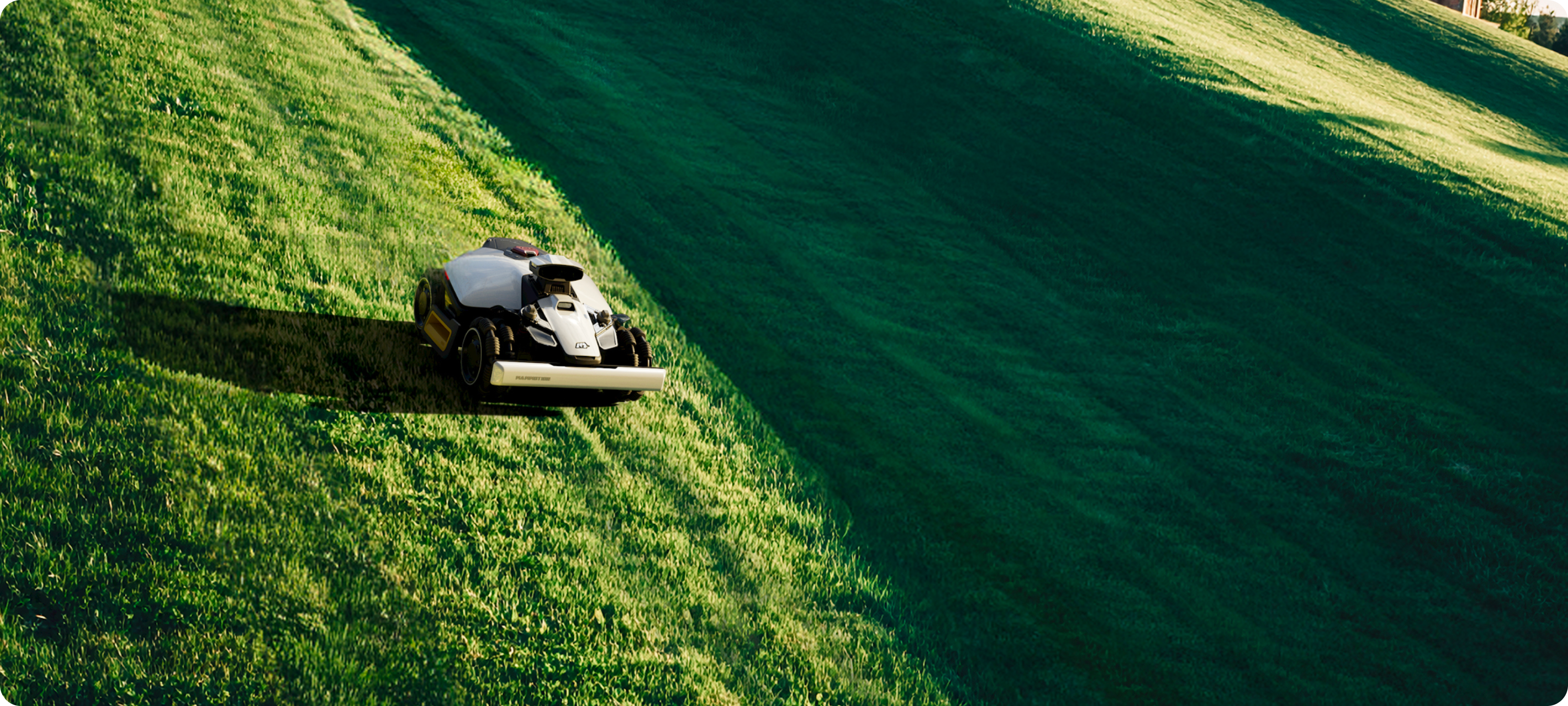
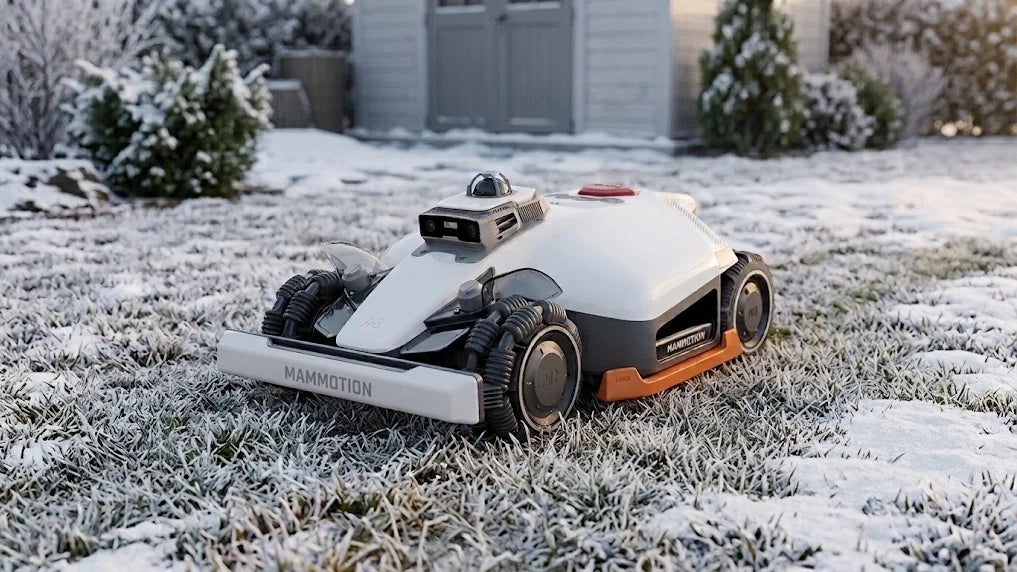
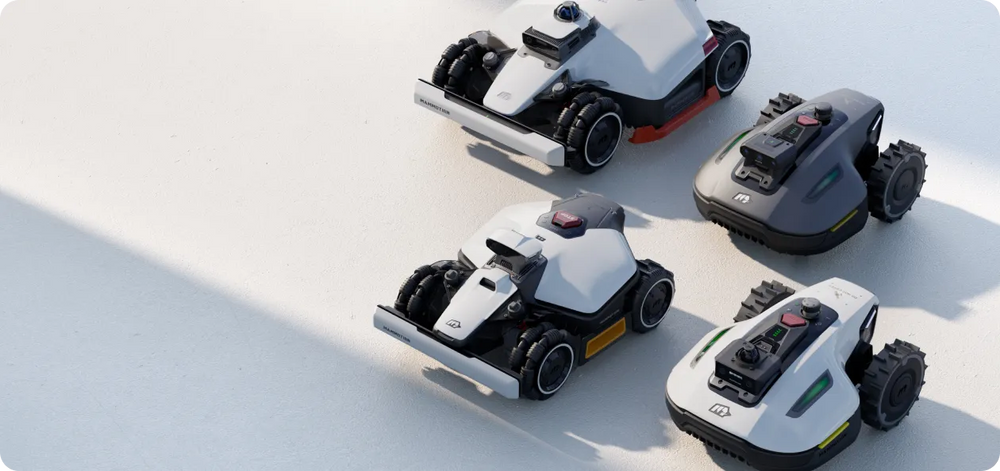
If you have used a retailer’s trade-in scheme to clear out a heavy, old petrol machine, it is the perfect time to go automated. Brands like Mammotion are transforming home gardening; their LUBA series (LUBA 3 AWD) and YUKA series feature a completely wire-free design, meaning no more pushing heavy mowers in the heat. Reinvesting the space and effort saved into a smart mower that requires no perimeter wire and supports multi-zone management is a brilliant way to upgrade your lifestyle.
4. Gifting to Neighbours or Local Friends
Beyond formal channels, sharing or gifting your old gear within the neighbourhood is a very common and practical way to get rid of an old lawn mower. This is especially suitable for households with smaller lawns or those living in mews and cul-de-sacs where grass cutting is less frequent. Not only does it keep the machine in use, but it also fosters a great sense of community spirit.
Suitable Types of Mowers
All types are suitable.
Important Considerations
- Clearly explain how to operate the machine and any specific maintenance requirements.
- For a robot lawn mower, you must still complete the account unbinding process.
- Never gift equipment that has known safety issues or electrical faults.
5. Keeping as a Backup or for Seasonal Use
If you find the above options too time-consuming, you can simply keep your old mower as a secondary unit. It can be useful for specific seasons or "rougher" areas of the garden where you wouldn't want to use your primary machine. This ensures you are never left stuck if your main mower needs a service.
Important Considerations
- Proper Storage: Store in a dry shed or garage to avoid dampness and rust.
- Battery Care: Cordless tools require regular charge/discharge cycles to maintain health.
- Petrol Mowers: If left idle for long periods, fuel can go stale and clog the carburettor; consider using a fuel stabiliser.
Part 2. Not Working: 6 Smart Ways to Recycle an Old Lawn Mower Without the Stress
Repair or Recycle? Before deciding where can dispose of old lawn mowers that no longer start, consider a quick assessment. You can first try to extend its life via a local community "Repair Café" or a local mower specialist.
If the machine is truly beyond hope, the most efficient path—balancing cost and sustainability—is either a retailer’s "Trade-in" scheme or professional recycling at your local Household Waste Recycling Centre (HWRC).
1. Hand it Over to Repair or Reuse Organisations

If your mower has developed a fault but you still hope to see it back in action, community repair resources are your ideal choice. Today, many towns and cities host Repair Cafés or Reuse Centres. These organisations focus on "life-extension" services for household and garden equipment.
Giving a repairable mower to them not only breathes new life into the machine but also effectively reduces waste. From traditional corded electric models to modern robot lawn mower units, these centres provide the professional maintenance needed to give old gear a "second life."
Community Repair Channels
- The Repair Café Foundation (UK): With hundreds of sites across the UK, volunteers (often retired engineers) help diagnose and fix old mowers for free. You can find your nearest location via their official website map.
- Restart Parties: Run by The Restart Project, these London-based events focus on fixing electricals (perfect for electric or robot mowers) and are held regularly in community spaces.
- Men’s Sheds Association: A UK-wide charity where locals gather in "Sheds" to repair tools. They often welcome old mowers to use for repair practice or as community assets.
Suitable Types of Mowers
- Structurally sound machines with moderate wear.
- Battery-powered tools with stable, low-risk batteries.
- Devices where the electronic systems are still functional.
Important Considerations
- Petrol Mowers: Acceptance varies by location; some groups refuse them due to safety or high maintenance costs.
- Battery Health: This is a deal-breaker; batteries that are severely degraded or pose a safety risk will usually be rejected.
- 1. Do Not Burn Privately: Burning the plastic casing or oil residue produces highly toxic fumes and is illegal.
- 2. Do Not Fly-tip: Leaving a mower on the pavement, in a forest, or in an alleyway is considered fly-tipping. In the UK, this can result in heavy fines or even a prison sentence.
- 3. Do Not Ignore the Battery: If it is an electric model, the battery must be removed and placed in a dedicated battery or chemical recycling bin.
Below are four professional ways to dispose of old lawn mower units that are beyond repair:
2. Local Household Waste Recycling Centres
This is the most standard and legal route across Europe. These centres, often referred to locally as "The Tip," have dedicated areas for scrap metal and electrical appliances.
Benefits
It is completely free and environmentally compliant. You can rest assured that heavy metals, plastics, and residual chemicals from your machine are professionally recycled to avoid pollution.
How to do it
- Check the address and opening times of your local Household Waste Recycling Centre (HWRC) via your local council’s website (note: some areas require you to book a slot online).
- Transport the machine to the site and ask the site marshals which skip to use—usually either the "Scrap Metal" or "WEEE" (Waste Electrical and Electronic Equipment) container.
Important Considerations
You must drain all petrol and oil before arrival. For electric models, you are typically required to remove the battery and place it in the dedicated battery recycling bin.
3. Scrap Metal Dealers

A scrapped petrol mower contains a significant amount of steel, aluminium, or copper, which still holds value for scrap metal merchants. While a single machine won't make you a fortune, many dealers pay by weight, and it's a very efficient way to get rid of an old lawn mower.
Benefits
It saves you time and physical effort. Many local "Scrap Men" (independent collectors) are happy to provide a doorstep collection service, and in some cases, might even give you a small amount of cash for the metal.
How to do it
- Look in local classifieds or search Google for "Scrap metal collection near me".
- Call to confirm they accept garden machinery and book a convenient time for collection.
Important Considerations
Before handing it over, ensure the dealer holds a valid Waste Carrier Licence. Also, clear off any non-metal debris or grass clippings from the machine.
4. Retailer "Scrappage Schemes"
Many large gardening chains (such as B&Q or Homebase) run periodic "Trade-in" or "Scrappage" events to encourage consumers to ditch old, high-pollution machinery.
Benefits
Turning "trash into cash." Regardless of how broken your machine is, these schemes often provide a direct discount of £50 - £100 towards a new purchase. This is a brilliant way to dispose of old lawn mower units while offsetting the cost of an upgrade.
How to do it
- Keep an eye on major retailers' websites during the spring promotion season (typically March to May).
- Take your old machine to the designated in-store recycling counter to receive your discount code or voucher.
Important Considerations
This usually requires you to buy a new piece of equipment to qualify for the discount, and it often excludes the cheapest entry-level models.
5. Selling for "Spares or Repair"
Even if the machine doesn’t run, components like the carburettor, blades, wheels, or even the plastic casing might be exactly what a DIY enthusiast needs to fix their own model. Selling it as a donor unit is a very practical way to get rid of an old lawn mower while helping others.
Benefits
Eco-friendly and financially rewarding. This method extends the life of individual components and usually fetches more cash than simply selling it for scrap metal.
How to do it
- Post an advert on eBay UK, Facebook Marketplace, or Gumtree.
- Ensure the title clearly states "Non-runner" or "For Spares/Repair only".
Important Considerations
Be completely honest about the fault (e.g., "seized engine" or "rusted deck"). Always list it as "Collection Only" to avoid the high cost and hassle of shipping a heavy, broken machine.
6. Council Bulky Waste Collection
If you don’t have a vehicle large enough to transport a heavy machine, you can apply for a dedicated collection service provided by your local authorities.
Benefits
Total peace of mind. The council sends professionals to your property to take the item away directly from your doorstep; you don't have to lift a finger. This is a very convenient way to get rid of an old lawnmower without the stress of logistics.
How to do it
1. Log on to your local Council website.
2. Search for "Bulky Waste Collection", pay the required fee online, and book a collection date.
Important Considerations
This is usually a paid service (typically ranging from £20 to £50), and slots can be limited, so you often need to book at least a week in advance.
Part 3. The Essential Checklist: Safety & Environmental Warnings You Can’t Ignore
When handling an old mower, safety and compliance are your top priorities. Before the machine leaves your garage or shed, please ensure you check off the following:
1. Drain All Fluids (Fuel & Oil)
For petrol mowers, you must drain all residual petrol and engine oil. This prevents fire hazards during transport and avoids irreversible chemical contamination of soil and water sources.
How to do it
Use a siphon pump to drain petrol into a certified jerry can; seal waste oil in a container and take it to your local Recycling Centre.
Warning
Never pour fluids down the drain or into the general waste. Just 1 litre of waste oil can contaminate 1 million litres of fresh water.
2. Handle Batteries with Care (Specialist Recycling)
Lithium-ion or lead-acid batteries in electric or robot lawn mower units are classified as hazardous waste. Proper disposal prevents fires or explosions during waste processing and allows for the recovery of rare metals.
How to do it
You must remove the battery and drop it into a dedicated "Battery Recycling Bin" at a supermarket, retail store, or recycling centre.
Warning
Never throw the battery into a metal scrap skip along with the mower body.
3. Disconnect the Spark Plug (Mechanical Safety)
Manually pull off the spark plug wire to completely prevent the engine from starting unexpectedly. Even without a power source, moving the blades can sometimes trigger engine ignition due to residual vapours in the cylinder.
How to do it
Before moving or dismantling the unit, locate the spark plug and pull off the connection lead.
Warning
This is the most frequently ignored, yet most important, personal safety detail when handling old machinery.
4. Be Aware of Local Laws (Legal Compliance)
Familiarise yourself with local waste disposal regulations, such as the WEEE Directive. This helps you avoid expensive legal penalties while ensuring resources enter the correct recycling loop.
How to do it
Book a bulky waste collection through your local council website or take the item to a compliant recycling site.
Warning
In the UK, fly-tipping (illegal dumping) can lead to fines of thousands of pounds or even criminal prosecution.
5. Personal Protective Equipment (PPE)
Wearing protective gear when handling rusted metal, sharp blades, or oily sludge prevents skin cuts (and potential tetanus) or burns from chemical waste.
How to do it
Wear oil-resistant protective gloves throughout the process and safety goggles when draining waste fluids.
Warning
Old machinery often has years of accumulated grease and rust; never handle it with your bare hands.
Conclusion
Disposing of an old machine properly is about more than just clearing garage space; it is a balance between financial gain and environmental responsibility. Depending on the condition of your gear, you might choose to extend its life via a Repair Café, leverage a retailer’s scrappage scheme to upgrade, or opt for a zero-cost, compliant disposal at a municipal recycling centre.
Whichever path you take, draining fluids and removing batteries safely remain non-negotiable prerequisites. This responsible approach ensures that waste resources enter the correct circular system, paving the way for you to upgrade to a more efficient and eco-friendly gardening lifestyle.
Frequently Asked Questions
1. Where can I dispose of an old petrol lawn mower with the engine still attached?
You can dispose of a complete unit at any municipal household waste recycling centre (HWRC) or a licensed scrap metal merchant. Most facilities accept the engine attached as long as the fuel and oil have been drained to meet fire safety regulations.Y
2. Can I put an old lawn mower in my regular household wheelie bin?
No, you should never place any type of lawn mower in your household waste or recycling bin. Local councils classify them as bulky waste or e-waste (WEEE). Putting them in a standard bin can damage collection trucks and lead to fines for improper waste disposal.
3. How do I dispose of an old lawn mower battery if it is leaking?
A leaking battery is a hazardous waste emergency. Do not touch it with bare hands. Place it in a plastic, acid-resistant container and take it immediately to a specialist hazardous waste disposal point or a local recycling centre with a dedicated lead-acid or lithium battery section.
4. Is there a free lawn mower collection service near me?
While most councils charge for bulky waste, many local scrap metal collectors (often called "scrap men") provide a free service because they profit from the metal value. You can find these independent collectors on Facebook Marketplace or by searching for "free scrap metal pick up" in your area.
5. What should I do with a lawn mower that has been sitting for years?
Before disposing of it, check the fuel tank. Old petrol turns into a "varnish" that can clog the system. If you want to list it as non-running lawn mower for parts, you must mention the age of the fuel, as this is the most common reason a mower won't start after long-term storage.
6. Can I recycle a plastic lawn mower deck?
Yes, but it is more difficult than metal. Modern plastic mowers are made of high-density polyethylene (HDPE) or similar polymers. When you take it to the recycling centre, tell the staff it is a "hard plastic" item so they can direct you to the correct industrial plastic recycling skip rather than the metal one.
7. How do I dispose of old lawn mower oil and stale petrol?
Do not mix them. Pour stale petrol into a fuel-safe jerry can and used engine oil into a sealed plastic bottle. Take them to your local recycling centre's chemical station. Many auto shops (like Halfords in the UK or Norauto in France) also accept used engine oil for recycling.
8. Does the "Right to Repair" law affect how I dispose of my mower?
Yes. Under recent Right to Repair regulations in the UK and EU, manufacturers are increasingly required to make spare parts available. Before scrapping your machine, check if you can order a cheap replacement part online, as repairing it may be more cost-effective than paying for disposal and a new unit.
Did you like this article? Add us as a preferred source to find us more easily on Google.