



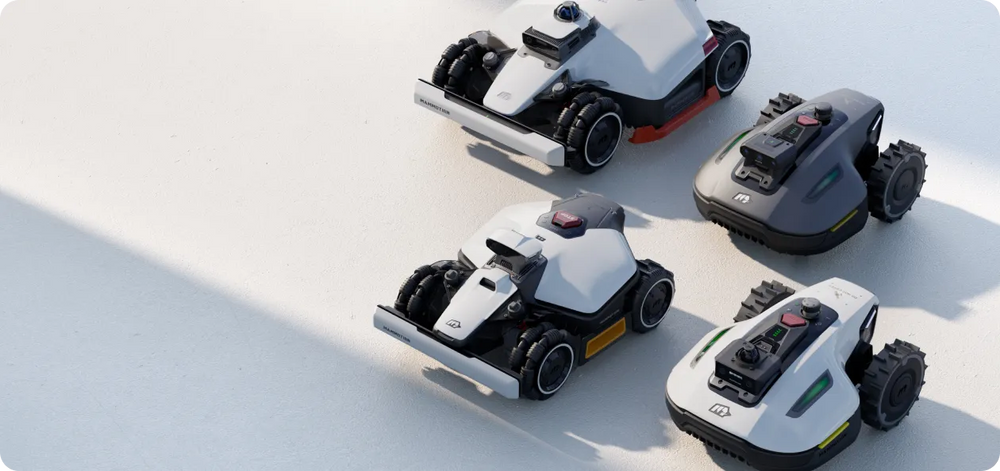





Many UK lawns struggle with compacted soil, thanks to heavy rainfall, constant foot traffic, and the unpredictability of the "British summer." Whether it’s the kids kicking a football across the garden or muddy boots after a downpour, your soil can quickly become compressed, starving roots of air, water, and nutrients.
Aeration is the key to reversing this—improving drainage, stimulating deeper root growth, and making sure your lawn can fully absorb the nutrients it needs. In this guide, we’ll show you when, why, and how to aerate grass lawn, and how maintaining a consistent mowing routine with a robot lawn mower can maximise these long-term benefits.
Part 1. What Is Lawn Aeration?
At its core, lawn aeration is the mechanical process of creating small holes in the surface of your turf to alleviate soil compaction. Think of it as "letting your lawn breathe." Over time, the soil particles get pressed together, squeezing out the air pockets that grass roots need to survive. By opening up these channels, you are essentially hitting the "reset button" on your soil structure.
In the UK, the method you choose usually depends on your specific soil type and the severity of the compaction. There are two primary techniques used by British gardeners:
- Surface Spiking (Sling/Solid Tining): This involves using a garden fork or a spiked roller to punch holes into the ground. It is excellent for regular maintenance and improving surface drainage, but it doesn't remove any material.
- Core Aeration (Hollow Tining): This is often the "gold standard" for deeper issues. It uses a tool to physically remove small "plugs" or cores of soil and thatch from the lawn. This creates actual space for the surrounding soil to expand into.
If you live in regions like the Midlands or the South East, you likely deal with heavy clay soil. Clay is notorious for compacting into a concrete-like consistency when dry and turning into a swamp when wet. For these gardens, simple spiking often isn't enough because the soil just closes back up. Core aeration is highly recommended here to physically alter the density of the ground. By reducing this "bulk density," you ensure that even the most stubborn clay-heavy garden can sustain a lush, velvet-like sward.
Part 2. Why Is Aerating Your Lawn Important?
- Improves Drainage – Helps water soak deep into the soil, preventing pooling and root drowning.
- Boosts Oxygen to Roots – Opens soil pores for gas exchange, supporting healthy root growth and soil micro-organisms.
- Reduces Moss Growth – Better airflow and drainage create conditions unfavourable for moss.
- Maximises Fertiliser Efficiency – Ensures nutrients reach roots instead of sitting on compacted soil.
- Enhances Drought Resistance – Encourages deeper roots that can access moisture during dry spells.
Deep, healthy roots also respond better to regular, light mowing, which stimulates lateral growth and thickens your lawn.
Part 3. Signs Your Lawn Needs Aerating

You don’t always need a laboratory test to check your soil health; your garden will usually tell you through several visual and physical cues. If you’ve noticed your lawn looking "tired" or patchy despite regular feeding, it’s likely time to reach for the aerator.
A simple way for any UK homeowner to check is the "Screwdriver Test." Wait for a day when the soil is moist but not sodden. Try to push a standard screwdriver into the ground by hand. If it meets significant resistance or you have to use your body weight, your lawn is compacted. This is especially common in "new build" gardens where the soil was often compressed by heavy machinery during construction.
Part 4. When to Aerate a Lawn in the UK
Timing is everything when it comes to British lawn care. Because aeration involves intentionally stressing the grass by puncturing the root zone, you must do it when the grass is in its peak growing phase. This ensures the turf can recover quickly and fill in the holes before weeds or moss take hold. For the typical UK garden, there are two primary windows for this task:
Spring (March–May)
Spring is the best time for light surface aeration. As the soil warms up and the first flush of green growth appears, the grass is hungry for oxygen.
- Pro: Ideal for clearing "winter compaction" and preparing for summer garden parties.
- Condition: Ensure the soil is moist but not a "mud bath." If it sticks to your boots, wait a week.
Autumn (September–October)
This is the preferred window for heavy core aeration (hollow tining). The soil is still warm from summer, but the air is cooler and rainfall is more consistent.
- Pro: Allows the lawn to recover and develop deep roots before the winter frosts arrive.
- Tip: If you are wondering when to aerate lawn UK, autumn is generally the safest bet for significant soil improvement.
- Frozen Soil: Trying to aerate in winter will likely damage your tools and the grass crowns.
- Drought Conditions: In a parched July, the soil is too hard to penetrate, and the grass is too stressed to recover.
- Waterlogged Ground: If your lawn is squelching, aeration will actually cause more compaction by smearing the soil particles.
Part 5. How to Aerate a Lawn (Step-by-Step)

Aerating might seem like a daunting task, but following a structured approach ensures best way to aerate lawn without the professional price tag.
Step 1: Mow the Lawn First
Before you start, you need to cut the grass shorter than usual (around 25-30mm). Shorter grass allows your aeration tool to penetrate the soil more effectively and makes it easier to see where you've been.
If you use a Mammotion robot lawn mower, this step is effortless. Because these mowers maintain a consistent height through frequent cutting, the grass blades are stronger and the soil surface is cleaner. Regular robotic mowing makes your preparation quicker and ensures the aerator reaches the actual soil, not a thick mat of overgrown grass.
Step 2: Water Lightly (If Soil Is Too Dry)
If the UK has actually had a few dry days, the ground might be too hard. Give the lawn a light watering the night before to soften the earth—just enough so a finger can easily press into the surface.
Step 3: Choose Your Aeration Method
The right tool depends on your muscle power and lawn size:
- Garden Fork: Best for small patches or specific compacted areas. Drive it 10-15cm deep every 10cm.
- Hollow Tine Aerator: A manual tool that extracts soil plugs. This is the best DIY method for most UK suburban gardens.
- Powered Mechanical Aerator: For gardens over 500m², hiring a petrol-powered aerator is a wise investment to save your back.
Step 4: Leave Soil Plugs to Break Down Naturally
If you used a hollow tine tool, you’ll have small "soil sausages" on your lawn. Don't rush to rake them up! Within a week or two, they will break down, acting as a natural top-dressing that returns nutrients to the surface.
Step 5: Overseed and Feed (Optional but Recommended)
With the holes open, it’s the perfect time to drop in some fresh grass seed and a high-quality autumn or spring fertiliser. The "seed-to-soil" contact in these holes is exceptionally high, leading to much better germination rates.
Part 6. How Often Should You Aerate a Lawn?
For the vast majority of UK gardens, once per year is the magic number to maintain a healthy oxygen-to-soil balance. However, the British landscape is diverse, and your specific garden conditions might dictate a different schedule.
If you notice moss returning quickly or water sitting on the surface after a typical British drizzle, it’s a clear sign that your soil is compacting faster than average and requires more frequent attention.
Part 7. Common Mistakes to Avoid
Even seasoned British gardeners can get it wrong. To protect your turf and your tools, avoid these frequent pitfalls:
- Aerating Dry, Hard Soil: Attempting to punch holes in baked earth is a recipe for a broken garden fork and zero soil penetration. Always wait for a period of soft (but not sodden) ground.
- Aerating Frozen Ground: In mid-winter, the frost can heave the soil. Aerating now can damage the "crown" of the grass plant, leading to dead patches in spring.
- Over-Aerating Sandy Soil: If your garden is naturally sandy (common in coastal UK areas), it rarely compacts. Over-aerating can actually lead to excessive drying out.
- Ignoring Mowing Height Before Aeration: Attempting to aerate through long, shaggy grass leads to uneven penetration and messy results.
- Natural transition: Maintaining the correct, consistent mowing height reduces future compaction stress and ensures the soil remains receptive to air and water.
Part 8. How Consistent Robotic Mowing Supports Aeration Results

While manual aeration fixes the symptoms of compaction, your choice of mower can address the cause. Traditional petrol mowers are heavy, often weighing over 30kg–40kg. Pushing that weight across a damp UK lawn every week is essentially "re-compacting" the soil you just worked so hard to loosen.
This is where the Mammotion LUBA and YUKA series robotic lawn mowers provide a significant horticultural advantage:
1. Zero Heavy Weight Compaction
Unlike heavy walk-behind or ride-on mowers, Mammotion robotic mowers are lightweight and agile. They don't exert the same downward pressure, meaning your soil stays "fluffy" and aerated for much longer.
2. The Power of "Little and Often" (Mulching)
Our robots lawnmowers are designed for frequent, light mowing. This produces tiny grass clippings that act as a natural mulch. Because your soil is well-aerated, these clippings break down rapidly, feeding organic matter back into the earth and improving soil structure naturally.
3. Encouraging Stronger Root Systems
By maintaining a consistent, precise height, the robot reduces the stress on the grass plant. This allows the plant to funnel more energy into its roots, taking full advantage of the deep oxygen channels created during your aeration process.
Conclusion
Achieving a professional-standard lawn in the UK isn’t just about what you do once a year during aeration; it’s about the daily care that follows. Aeration provides the "deep breath" your soil needs to recover from our heavy clay and persistent rains, but consistent, smart maintenance keeps those vital air channels open.
By combining traditional horticultural practices—like autumn hollow tining—with the cutting-edge technology of a Mammotion robotic mower, you break the cycle of heavy compaction for good. Instead of a weekly "crushing" by a heavy petrol mower, your turf enjoys lightweight, precision care that encourages deeper roots and a thicker, moss-free sward.
FAQs
1. Can I leave the moss on my lawn before aerating?
It is highly recommended to scarify your lawn to remove heavy moss and thatch before you begin the aeration process. If you aerate directly through thick moss, you risk pushing the moss spores deeper into the soil channels, which can block oxygen flow.
By clearing the "moss carpet" first, your hollow-tine aerator can penetrate the clean soil surface more effectively, ensuring nutrients reach the grass roots rather than feeding the moss.
2. Is it better to aerate or scarify a UK lawn first?
In the typical British lawn care calendar, scarification should almost always come first. Think of scarifying as "cleaning the surface" and aeration as "fixing the foundation."
Removing the organic debris (thatch) first ensures that when you do aerate, the holes remain open and unobstructed. This sequence is the most efficient way to improve lawn drainage and prepare the ground for seasonal overseeding.
3. Should I put sand in the aeration holes?
Applying a top-dressing of horticultural sharp sand (or a sand-soil mix) into the holes is an excellent technique for heavy clay soils common in the UK. This is known as "soil exchange."
The sand prevents the holes from collapsing back in on themselves and creates permanent "drainage chimneys" that allow water and air to bypass the compacted clay layer for years to come.
4. Can I use a spiked lawn aerator shoes?
While aerator sandals or spiked shoes are a popular "gadget," they are generally only effective for very minor surface compaction on small, sandy lawns. For the majority of UK gardens with clay content, these spikes can actually increase compaction by pushing the soil sideways rather than removing it.
For a professional finish, a manual hollow-tine tool or a mechanical aerator is far superior as it physically removes soil mass.
5. Will aeration help a lawn that is "scalped" or patchy?
Yes, aeration is a vital recovery step for a patchy lawn. Scalping often happens because the ground is uneven due to sub-surface compaction.
Aerating levels out the soil’s "heave" over time and provides the perfect, protected environment for new grass seed to germinate. When paired with a precision robotic mower that prevents future scalping, aeration helps create a perfectly level, velvet-like turf.
Did you like this article? Add us as a preferred source to find us more easily on Google.