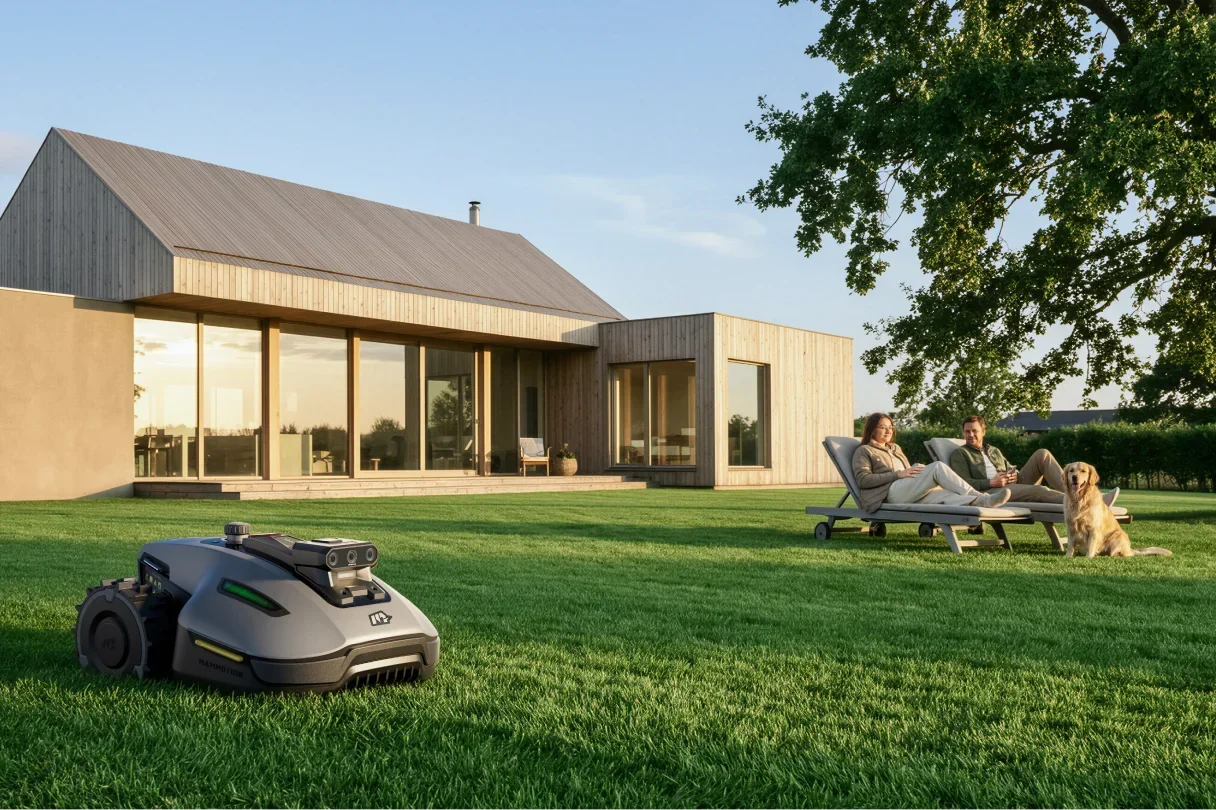



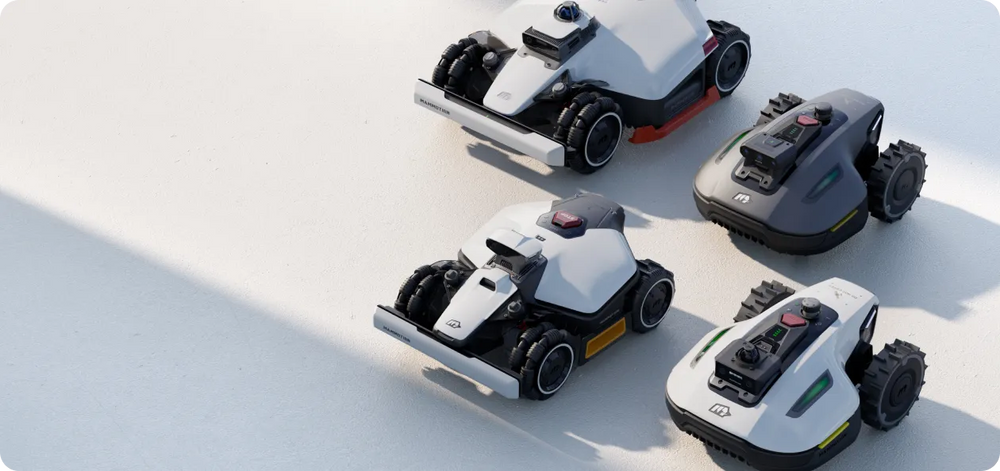





In the UK, our unique climate—frequent rain followed by spells of sunshine—provides both the perfect environment and a few challenges for lawn turf establishment. If you’ve been staring at a patchy, weed-ridden patch of ground and asking yourself where to buy turf or how to lay turf properly, you’ve come to the right place. This guide will walk you through every step of the process, from initial ground preparation to the first mow with your Mammotion robotic mower, ensuring your new green space thrives for years to come.
Part 1. Why Use Turf?
Lawn turf is generally superior to seed if you want an "instant" result and a more resilient finish. While is vital in the UK where birds often feast on new seed and unpredictable rain can wash away hours of hard work.
Choosing to lay turf means you aren't waiting months for a green patch to appear; you are essentially installing a finished product. High-quality lawn turf is grown by specialists for 12 to 18 months before it reaches your driveway, meaning the root system is already robust and the grass density is high.
|
Feature |
Seeded Lawn |
Fresh Lawn Turf |
|
Establishment Time |
6–12 months for full use |
3–4 weeks for light use |
|
Weed Resistance |
Low (weeds grow with seed) |
High (pre-grown density) |
|
Uniformity |
Variable (patchy growth) |
Excellent (consistent finish) |
|
Bird/Weather Risk |
High (washout/theft) |
Minimal |
|
Initial Cost |
Low |
Medium to High |
Part 2. When to Lay Turf?
The best time to lay turf is during the Autumn (late September to mid-November) or Spring (March to May). During these periods, the soil is warm enough to encourage root growth, and the classic British "mizzle" (mist and drizzle) provides natural irrigation, reducing the need for constant hosing. While you can technically lay turf at any time if you are prepared to water it, avoiding the searing heat of a mid-July dry spell is highly recommended.
Part 3. What Tools Are Required to Lay a Lawn?

In the UK, you can often hire the larger machinery like rotavators from local tool hire shops for a weekend. Having the right tools avoids "puddling" or uneven patches that can ruin the look of your garden and interfere with the navigation of robotic mowers later on.
To achieve a professional finish, you will need a rotavator (for larger areas) or a sturdy garden fork, a wide landscaping rake, a wheelbarrow, a sharp lawn knife or old hand saw, and several scaffold boards (laying boards). Crucially, you should also have a sprinkler system ready, as new grass turf cannot be allowed to dry out even for a few hours after delivery.
|
Tool |
Purpose |
Why it’s Essential |
|
Rotavator/Garden Fork |
Breaking up compacted soil |
Ensures roots can penetrate the ground easily. |
|
Landscaping Rake |
Levelling and "tilthing" |
Creates a fine, crumb-like surface for the turf to bond with. |
|
Scaffold Boards |
Weight distribution |
Prevents you from leaving footprints on the fresh soil or new turf. |
|
Lawn Knife |
Trimming edges |
For a neat finish around flower beds and paths. |
|
Pre-Turfing Fertiliser |
Nutrient boost |
High-phosphorus feed to encourage rapid rooting. |
Part 4. How to Lay Turf?
The process of laying turf involves four distinct phases: meticulous planning of the area, intensive ground preparation (the most critical step), the physical laying in a "staggered" pattern, and an immediate aftercare programme. Success is 80% preparation; if your soil is poorly prepared, even the highest-quality grass turf will struggle to root and eventually turn brown.
1. Preparation for Laying Turf
Planning Your New Garden Lawn
Before you even look for where to buy turf, you must measure your garden accurately.
- Calculate the Area: Measure the length and width in metres.
- Order Extra: Always add 5-10% for "wastage" and offcuts, especially if your garden has curved borders.
- Timing the Delivery: Ensure your lawn turf is delivered on the day you intend to lay it. In the UK summer, turf can "roll-boil" (overheat) and die within 24 hours if left on a pallet.
When looking for where to buy turf in the UK, you have four primary options: Specialist Growers like Rolawn offer the highest professional quality; Garden Centres such as Dobbies are ideal for smaller, immediate projects; DIY Superstores like B&Q or Wickes provide the most budget-friendly rates; and Online Aggregators offer the greatest convenience for home delivery. Regardless of your choice, the secret to success is ensuring the lawn turf is harvested fresh and laid within 24 hours, providing the perfect level surface for a Mammotion robotic mower to maintain long-term.
2. Preparing Your Ground for Turfing
This is where the real "elbow grease" happens.
- Clear the Site: Remove all old grass, weeds, and large stones.
- Rotavate: Dig the soil to a depth of at least 150mm.
- Soil Quality: If you have heavy British clay, you may need to add grit or organic matter.
- Leveling: Use a rake to create a flat surface.
3. Putting Turf
Now for the satisfying part.
- Start at the Edge: Begin at the furthest corner to avoid walking over the soil.
- The Brickwork Pattern: Lay the rolls in a staggered fashion, just like bricks in a wall. This prevents long "seams" which are prone to drying out.
- No Gaps, No Overlaps: Butt the edges up tightly against each other.
- Stay on the Boards: Always stand on your scaffold boards while working to protect the levels you worked so hard to achieve.
- The Finishing Touch: Use a sharp knife to trim the edges around your patio or flower beds for that crisp, professional look.
4. Maintaining a Healthy Lawn After Laying Turf
Maintaining a healthy lawn after laying turf requires a disciplined approach to watering, restricted access for the first few weeks, and a transition to a "little and often" mowing routine. The goal is to encourage the roots of your grass turf to penetrate deep into the topsoil.
Watering
Watering is the single most critical factor in the first 14 days. You should soak your new lawn every evening (and every morning if the UK is experiencing a rare heatwave). The water must penetrate through the lawn turf and into the soil beneath.
Stay Off
Walking on fresh turf before it has rooted can cause the rolls to shift, creating gaps, or leave permanent "foot-dips" in the soft soil. If you have a dog or children, consider cordoning off the area with temporary garden netting.
Mowing
You can usually begin mowing once the grass reaches about 50mm to 75mm in height, which typically takes 3 to 4 weeks depending on the season. For the first cut, set your blades to the highest possible setting—you only want to take the very tips off.
Consistent mowing is one of the most important factors in keeping a lawn thick and healthy. Instead of cutting grass occasionally with a traditional mower, robotic lawn mowers such as Mammotion provide frequent light trimming, which encourages stronger grass growth. Because the Mammotion mows daily or every other day, the tiny clippings (mulch) fall back into the soil, acting as a natural fertiliser and keeping the lawn dense enough to crowd out weeds.
Fertilising
While you likely used a pre-turfing fertiliser, your lawn will need a "top-up" after about 6 to 8 weeks. In the UK, use a nitrogen-rich fertiliser in the spring and summer to promote green growth, and a potassium-heavy "autumn feed" in October to strengthen the roots against the winter frost. Always apply fertiliser when rain is forecast to help wash the nutrients down to the roots.
Aerating
Over time, especially with the heavy clay soils found in many parts of Britain, your lawn can become compacted. Aerating—creating small holes in the surface—allows oxygen, water, and nutrients to reach the roots. You can do this with a simple garden fork or a hollow-tine aerator every autumn.
Part 5. Natural Turf vs Artificial Turf: Which Is Better?

The choice between natural and artificial turf depends on your lifestyle and environmental priorities. Natural lawn turf is the classic British choice—it’s eco-friendly, cools the air during summer, and provides a soft, living environment. However, for those with heavily shaded areas or high-traffic "mud zones" from pets, artificial turf installation offers a year-round green look with zero mowing.
While natural turf is cheaper to buy, artificial grass requires a much larger upfront investment but saves on long-term watering and feeding costs.
Comparison: Natural vs Artificial Turf
|
Feature |
Natural Grass Turf |
Artificial (False) Turf |
|
Upfront Cost |
£3–£7 per sqm (plus topsoil) |
£15–£40 per sqm (plus base materials) |
|
Installation |
Easier DIY; focuses on soil prep |
Complex; involves heavy excavation/stone base |
|
Maintenance |
Regular mowing (ideal for Mammotion), feeding |
Occasional brushing and debris removal |
|
Durability |
Can wear out in high traffic/shade |
Extremely durable; pet-proof |
|
Environmental Impact |
High (supports biodiversity/cools air) |
Low (plastic-based, poor for drainage) |
Part 6. How to Lay Artificial (False) Turf?
1. Clear and Excavate
Remove the existing lawn and topsoil. A common question is: how much to lay artificial turf in terms of depth? Aim for at least 100mm of clearance to allow for a solid base.
2. Base Layer
Fill the area with 50-75mm of crushed stone (limestone or granite). Compact this using a vibrating plate (wacker plate)—this is essential for a flat finish.
3. Sand/Grit Topping
Add a 20mm layer of sharp sand or fine grit. Level this carefully and compact it again.
4. Weed Membrane
Lay a heavy-duty weed membrane over the sand. This prevents any persistent British weeds from poking through your new "lawn."
5. Laying the Turf
Roll out your artificial grass. When considering how to lay false turf, always ensure the "pile" (the direction of the grass blades) faces your house for the most natural appearance.
6. Joining and Securing
Use specialist joining tape and adhesive for any seams. Secure the perimeter with galvanised 6-inch nails or timber edging.
7. Infill
Brush in kiln-dried sand to help the grass blades stand upright and provide weight to keep the carpet in place.
Part 7. How Long Does Turf Take to Root?
In the UK, grass turf typically takes between 14 and 21 days to establish its primary roots into the topsoil. However, for the lawn to be fully "knitted" and capable of handling heavy foot traffic or garden furniture, you should allow for a full six-week establishment period. The exact timing depends heavily on when to lay turf; if laid in the warm, damp conditions of early autumn, rooting can be surprisingly rapid, whereas a winter installation will see the turf remain dormant for much longer.
British gardeners often use the "Tug Test" to check progress. After about ten days of laying turf, try to gently lift a corner of one of the rolls. If you feel resistance, it means the white adventitious roots are beginning to anchor into the earth. If the roll lifts easily, it hasn't started yet—usually a sign of underwatering or poor soil contact.
|
Week |
Rooting Stage |
Recommended Activity |
|
Week 1 |
Initial Bonding |
Heavy daily watering; strictly no walking on it. |
|
Week 2 |
White Root Sprouting |
Taper watering to once a day; check for "lifting" gaps. |
|
Week 3 |
Establishing Anchor |
First "Tug Test"; roots should be 1-2 inches deep. |
|
Week 4-6 |
Full Integration |
Preparation for the first very light trim. |
Part 8. Why Roots Fail to Take?
If you find that your lawn turf is still "loose" after three weeks, consider these common UK issues:
- Air Pockets: The ground wasn't raked flat enough, leaving gaps between the soil and the turf.
- Waterlogging: If you have heavy clay and it’s been a typical British "washout" week, the roots may be drowning.
- Compaction: If you didn't rotavate properly, the soil might be too hard for delicate new roots to penetrate.
Part 9. When Can You Mow New Turf?
You should aim to perform the first cut once the grass has reached a height of approximately 50mm to 75mm (2-3 inches) and has passed the "Tug Test" (meaning it cannot be easily lifted). For most UK gardens, this happens around 3 to 4 weeks after installation. It is vital to use a sharp blade and only remove the top 25% of the grass blade; "scalping" a new lawn can send the plants into shock and kill off the newly formed roots.
Once the turf has established strong roots, regular mowing becomes essential for maintaining a dense and healthy lawn. Many homeowners now prefer robotic lawn mowers such as Mammotion, which maintain the grass at a consistent height without requiring manual effort.

Traditional petrol mowers are heavy and rely on large wheels that can create ruts in soft, new topsoil. In contrast, Mammotion's robotic solutions offer several technical advantages for a newly turfed garden:
- Lightweight Design: Unlike a 40kg petrol mower, a robotic mower exerts much less ground pressure, protecting the delicate structure of your fresh laying turf.
- Frequent "Micro-Cutting": Instead of a stressful weekly "hack," Mammotion mowers provide frequent light trimming. This encourages the grass to spread laterally (tillering), creating a thicker, more lush carpet.
- Precision Navigation: Using GPS-RTK technology, Mammotion mowers can navigate complex UK garden shapes without the need for perimeter wires that might disturb your newly laid edges.
Part 10. How Much Does It Cost to Lay Turf?
The cost of laying turf varies significantly depending on whether you take the DIY route or hire professional landscapers. For a standard 50-square-metre UK garden, you can expect to pay between £450 and £1,200. This estimate includes the cost of high-quality grass turf (typically £4–£7 per sqm), bulk bags of topsoil, and tool hire. If you opt for professional installation, labour rates in the UK generally range from £150 to £300 per day, often doubling the total project price.
When calculating how much to turf a garden, it is a mistake to only look at the price of the grass rolls. The hidden costs are often in the "muck away" (removing old grass) and the volume of new soil required.
|
Expense Item |
DIY Estimated Cost (50sqm) |
Professional Estimated Cost (50sqm) |
|
Lawn Turf Rolls |
£250 – £350 |
Included in Quote |
|
Topsoil (Bulk Bags) |
£150 – £250 |
Included in Quote |
|
Tool Hire (Rotavator/Roller) |
£80 – £120 |
Included in Quote |
|
Labour Costs |
£0 (Your "Elbow Grease") |
£400 – £700 |
|
Total Investment |
£480 – £720 |
£800 – £1,500+ |
While the initial how much to lay artificial turf question often leads to a higher quote (£2,000+ for the same area), natural turf remains the cost-effective winner for those willing to perform basic maintenance. By investing in a Mammotion robotic mower, you essentially "automate" the professional greenkeeping service, recouping the cost of the mower within two to three seasons compared to paying a local gardener for weekly visits.
Part 11. Common Mistakes When Laying Turf
1. Laying turf on top of grass
Laying new rolls directly over an old lawn prevents the new roots from reaching the soil. The old grass will rot, creating heat and gases that will literally "cook" the new turf from underneath. You must always strip the old lawn back to bare earth before you put turf down.
2. Insufficient Topsoil
Many homeowners try to save money by skipping the topsoil. However, if you have the heavy clay soil common in the Midlands or the South East, your new grass turf will struggle. Always ask how much top soil for turf is needed; usually, a 100mm layer is the professional recommendation to provide a nutrient-rich "buffer" for growth.
3. Over-Compacting or Under-Compacting
If the ground is too soft, your feet (and your mower) will sink, creating an uneven surface. If it’s too hard (like concrete), the roots can’t penetrate. The "Heel Test" mentioned earlier is the classic British solution: the ground should be firm enough that your heels only leave a slight impression.
4. Leaving Gaps Between Rolls
When laying turf, the rolls must be butted up tightly. If you leave even a 5mm gap, the edges will dry out, turn brown, and die. Think of it like fitting a carpet; there should be no visible "seams."
Conclusion
By following the professional steps outlined in this guide—from selecting the premium grass turf to mastering the staggered 'brickwork' laying pattern—you are laying the foundation for a garden that will flourish for decades. However, while a beautiful lawn begins with expert laying turf, its longevity depends on consistent care.
Whether you envision a lush, natural sanctuary or a precision-cut formal lawn, pairing traditional turf installation techniques with modern automation, such as a Mammotion robotic mower, is the ultimate recipe for gardening success in the UK.
FAQs
1. How much top soil for turf do you need?
Generally, a 100mm layer of high-quality "screened" topsoil is recommended for the best results.
2. Can you lay turf in winter?
Yes, provided the ground is not frozen or waterlogged. Turf is dormant in winter, so it won't "green up" quickly, but it will sit happily until the soil warms up. The main risk is "frost heave," where the ground expands and lifts the turf, and the practical difficulty of preparation for laying turf in the freezing cold or deep mud. If the forecast predicts a "Beast from the East" style freeze, it’s best to wait.
3. Should you compact topsoil before laying turf?
Yes, but don't use a heavy roller. Instead, do the "Heel Shuffle"—walk over the area with your weight on your heels to firm the ground, then rake again to create a fine "tilth" (a crumbly surface).
Did you like this article? Add us as a preferred source to find us more easily on Google.