






For many UK homeowners, the weekend ritual still means the steady hum of a mower — followed by the inevitable struggle with overflowing green waste bins.
At the same time, Britain’s weather remains famously unpredictable. Lawns must endure damp, moss-prone springs before facing increasingly dry summers, often accompanied by hosepipe bans. These shifting conditions place continuous stress on grass and soil alike.
This is precisely where mulching becomes transformative. Instead of removing valuable organic matter from the lawn, mulching returns finely cut clippings back to the soil, working in harmony with natural processes rather than against them.
In this guide, we explore the science behind mulching and explain why modern technology has made it easier than ever to achieve professional-level results — without the professional price tag. Whether you care for a traditional cottage garden or a contemporary estate lawn, adopting mulching or even with a lawn mower may be the single most impactful step toward creating a sustainable, resilient, and low-maintenance outdoor space.
Part 1. What Is Mulch?
At its simplest, mulch is any material spread over the surface of the soil as a protective covering. The primary goal is to retain moisture, suppress weeds, and, in the case of organic versions, improve the soil's health as it breaks down.
Lawn mulching vs garden bed mulching
It is important to distinguish between mulch for a garden bed and mulch for a lawn. For your flower borders and vegetable patches, you might use heavy bark or straw to block out light and stop weeds from germinating. However, for a lawn, the "mulch" consists of finely shredded grass clippings. Instead of becoming a messy layer of thatch, these "micro-clippings" sift down to the soil surface, providing a direct boost of nitrogen, phosphorus, and potassium.
Difference between traditional mulching and robotic mulching
While both methods aim for the same result, the execution differs significantly. A traditional mulching lawn mower often struggles with the damp, fast-growing grass common in the UK. If you only mow once a week, the clippings are often too long, leading to "clumping" which can suffocate the grass underneath.
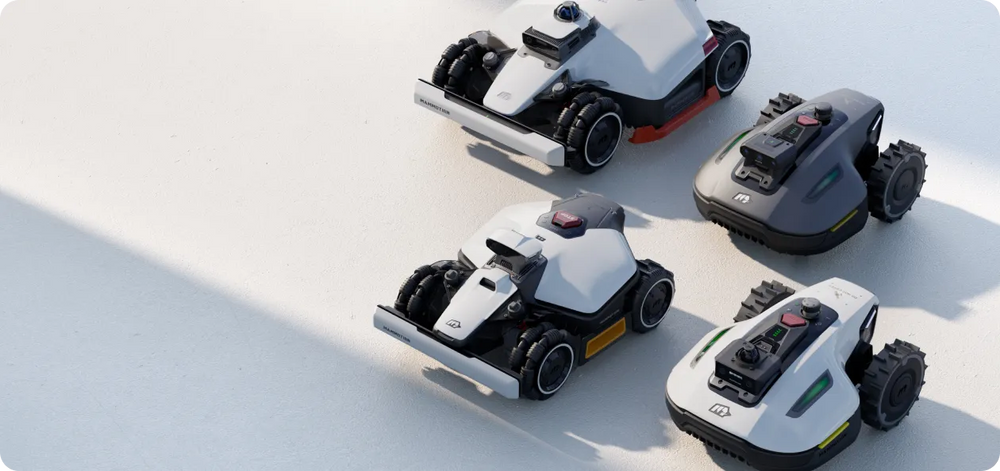
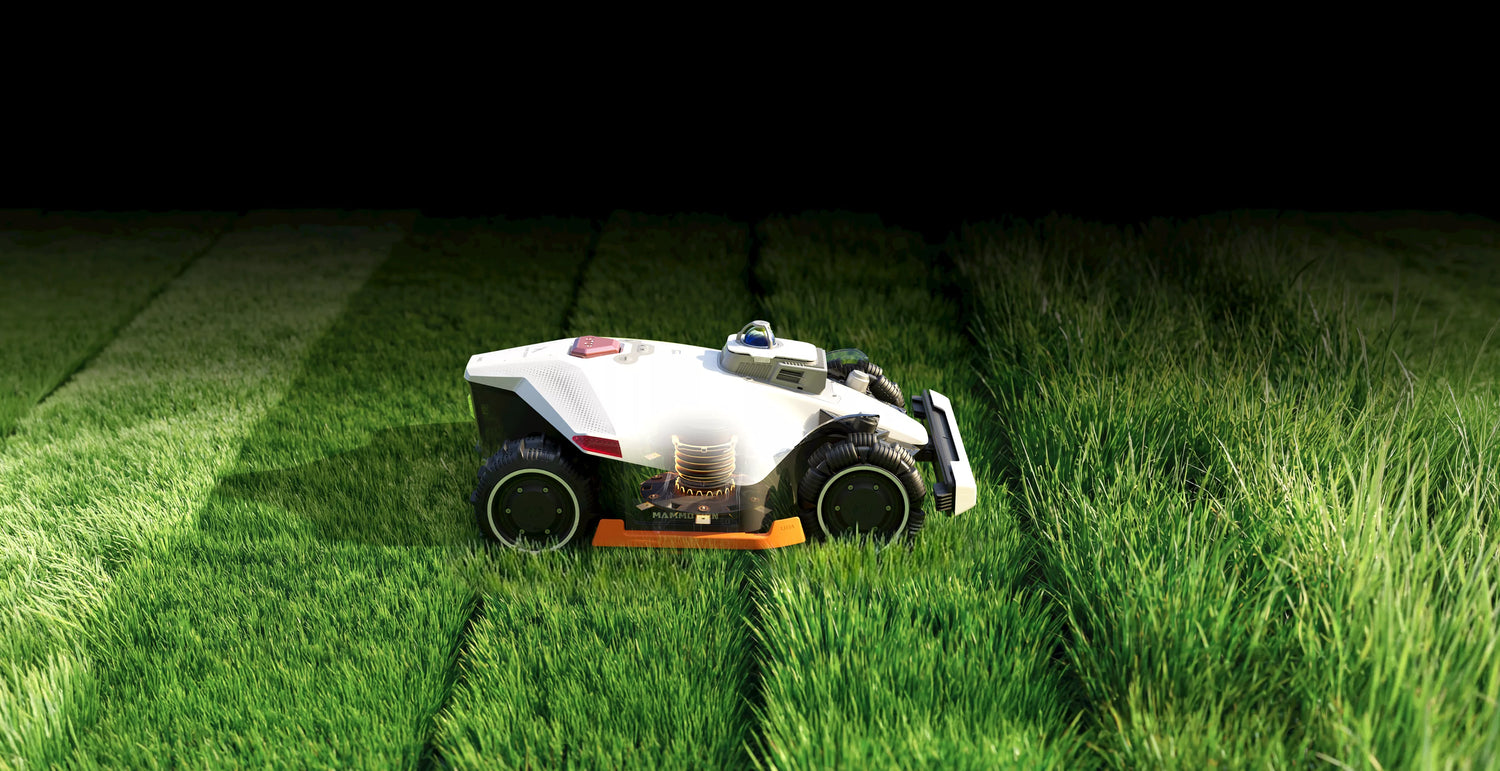
In contrast, modern robotic solutions take a "little and often" approach. Unlike traditional mowers that collect grass clippings, modern robotic lawn mowers like Mammotion models finely cut grass into micro-clippings that decompose almost instantly. Because the robot mows every day or two, the clippings are so small they are invisible to the eye, ensuring a cleaner finish without the risk of lawn disease.
Why mulching is different from bagging grass?
Many UK gardeners are used to "bagging"—collecting clippings in a hopper and then dealing with the dreaded green waste bin. Bagging effectively "mines" your soil of nutrients; you grow the grass, cut it, and then throw those nutrients away. Mulching creates a closed-loop system. By understanding what is mulching, you realise it is essentially free fertiliser.
Part 2. What Are the Benefits of Mulching Your Lawn?
The benefits of mulching mowing include a significantly healthier lawn through natural fertilisation, improved moisture retention during dry spells, and a massive reduction in garden waste.
A Natural Nutrient Boost
In the UK, our soil quality can vary wildly from heavy clay to sandy loam. Gardening mulching acts as a universal soil conditioner. When you leave clippings on the lawn, they decompose and release nitrogen, phosphorus, and potassium—the "big three" nutrients found in expensive store-bought fertilisers. This isn't just theory; consistent mulching can provide up to 25% of your lawn’s total seasonal nitrogen needs. This results in a deeper green hue that is the envy of the neighbourhood.
Drought Resistance and Moisture Retention
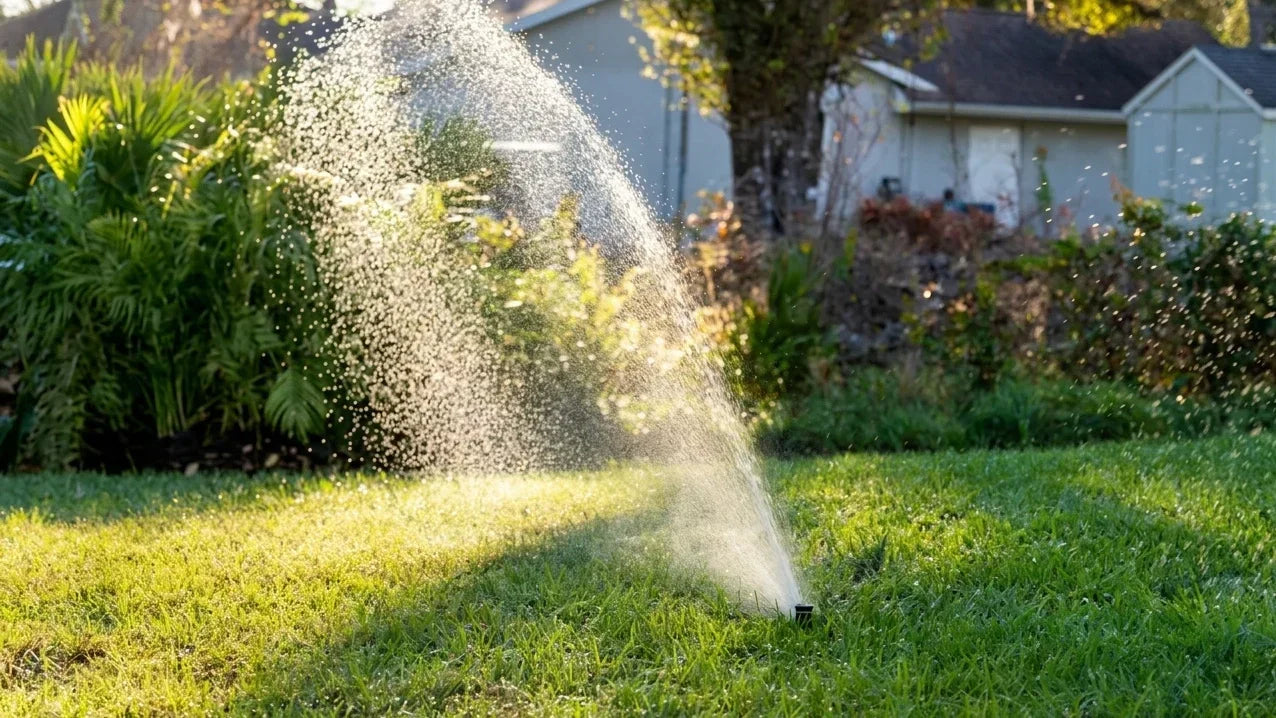
With "hosepipe bans" becoming a more frequent concern during British summers, keeping your grass hydrated is a priority. Mulching with a lawn mower creates a thin, protective layer (or "micro-mulch") at the base of the grass blades. This layer acts like a parasol for the soil, reducing water evaporation by up to 30%. This helps your lawn stay green and resilient even during those rare but intense UK heatwaves.
Eliminating the "Green Waste" Headache
If you have a medium-to-large garden, you know the struggle of the "brown bin." Local councils in the UK are increasingly charging for green waste collection, and trips to the local tip are a chore no one enjoys. Mulching mowing eliminates this entirely. There is no waste to bag, no heavy lifting, and no bins to overflow. You are essentially recycling your garden on-site.
Comparison: Traditional Mowing vs. Mulching Mowing
|
Feature |
Traditional Mowing (Bagging) |
Mulching Mowing (Robotic/Frequent) |
|
Nutrient Cycle |
Removed (Soil becomes depleted) |
Recycled (Natural fertilisation) |
|
Water Needs |
High (High evaporation) |
Reduced (Moisture is retained) |
|
Waste Management |
Weekly trips to the bin/tip |
Zero waste produced |
|
Lawn Density |
Average |
Higher (Promotes "tillering") |
|
Time Spent |
High (Emptying bags/disposal) |
Minimal (Automatic or no disposal) |
Part 3. What Are the Different Types of Mulch?

To understand what is mulch made of, you must distinguish between two main categories: organic and inorganic. Organic types of mulch, such as grass clippings, bark, and compost, are biodegradable and actively improve soil health. Inorganic options, like gravel and landscape fabric, are non-biodegradable and primarily used for decorative purposes or long-term weed suppression.
Organic Mulches (Biodegradable)
Organic mulches are the lifeblood of a healthy British garden. Because they are derived from once-living materials, they break down over time, returning vital nutrients to the earth. When considering the best mulch for garden UK projects, organic options are almost always preferred for beds and lawns.
- Grass Clippings: Perhaps the most undervalued resource in your garden. High in nitrogen, they are perfect for rapid soil enrichment.
- Bark: Frequently used in flower borders to suppress weeds and give a "tidy" appearance.
- Compost: Often referred to as "black gold," it provides an immediate nutrient boost.
- Straw: Excellent for vegetable patches, particularly around strawberries to keep fruit off the damp soil.
- Leaves: When shredded, these make a brilliant "leaf mould" that improves soil structure.
The key characteristics of these materials include their ability to improve soil structure over time, add nutrients naturally, and significantly enhance microbial activity. Because they are fully biodegradable, they work in harmony with the natural lifecycle of your garden.
Inorganic Mulches (Non-biodegradable)
For areas where you want a "set and forget" solution, inorganic mulches are a popular choice. While they do not feed the soil, they are highly effective for specific landscaping needs in the UK.
- Gravel: A staple for British front gardens and driveways, offering a clean, modern aesthetic.
- Rubber Mulch: Often used in play areas for safety and longevity.
- Plastic Sheeting: Used in commercial farming or heavy-duty weed prevention.
- Landscape Fabric: A permeable layer used under stones to prevent weeds from poking through.
These materials are known for being exceptionally long-lasting and low maintenance. However, it is important to remember that they do not improve soil fertility. Their purpose is mainly decorative or focused on weed control rather than plant health. When learning how to mulch a lawn, inorganic materials should be avoided, as they would suffocate the turf.
|
Feature |
Organic Mulch (Biodegradable) |
Inorganic Mulch (Non-biodegradable) |
|
Examples |
Grass, Bark, Compost, Straw |
Gravel, Slate, Rubber, Plastic |
|
Soil Health |
Improves structure and fertility |
No nutritional benefit |
|
Maintenance |
Needs periodic topping up |
Very low maintenance |
|
Decomposition |
Breaks down into the soil |
Does not decompose |
|
Best For |
Lawns, Flower beds, Veg patches |
Driveways, Paths, Play areas |
|
Eco-Impact |
Sustainable and circular |
Often involves synthetic materials |
Robotic lawn mowers produce fine grass clippings that function as an ideal organic mulch. Because these "micro-clippings" are so small, they decompose much faster than the long clumps produced by traditional mowers, feeding your lawn without the mess.
Part 4. When to Mulch Garden in UK?
The best time for gardening mulching in the UK depends on your goal. For garden beds, late winter or early spring (March to April) is ideal to trap moisture before the sun gets stronger. For lawns, mulching mowing should occur throughout the growing season, typically from March to October. Avoid mulching frozen or waterlogged ground, as this can trap cold and moisture, potentially leading to root rot.
Part 5. How to Mulch?
To learn how to mulch effectively, the method depends on the area of your garden. For flower beds, apply a 5–7cm layer of organic material like bark or compost, ensuring it is kept away from plant stems to prevent rot. For lawns, mulching mowing is best achieved by cutting "little and often," removing no more than one-third of the grass height at a time. This ensures clippings are small enough to decompose quickly and nourish the soil.
Recommended Tips for UK Gardeners
- Follow the 2–5cm Rule: For garden beds, a layer of 2–5cm is usually sufficient for moisture retention. If you go too thick (over 10cm), you risk blocking oxygen from reaching the soil microbes.
- Keep it Clear of Stems: Always leave a small gap between the mulch and the base of your shrubs or trees. Piling mulch against the bark can cause fungal infections and trunk rot.
- Never Mulch Wet Grass Excessively: In the UK, we often deal with damp turf. If the grass is soaking wet, mulching mowers can struggle, leading to "clumping." Wait for a dry spell or ensure your mower blades are razor-sharp.
- Blade Maintenance is Key: To achieve a professional finish, your mower blades must be sharp. Dull blades tear the grass rather than slicing it, which leads to brown tips and poor decomposition.
- Mow Regularly: Frequent mowing with fine clippings is more effective than occasional heavy cutting. This is the cornerstone of robotic mulching efficiency.
Seasonal Operational Guide
|
Season |
Mulching Task |
Key Technique |
|
Summer |
Drought Protection |
Mow Higher: Raise your cutting height to leave longer clippings that shade the soil. |
|
Autumn |
Leaf Integration |
Shred and Spread: Combine fallen leaves with grass clippings to create a rich winter mulch. |
|
Winter |
Maintenance |
Limit Activity: Avoid mulching frozen or waterlogged grass to prevent soil compaction. |
How to Mulch During Summer?
During a dry British summer, your lawn's growth slows down. To protect it, mow higher—never "scalp" the lawn. By leaving the grass slightly longer, the clippings stay suspended within the turf for a short time, providing shade to the roots and drastically reducing water evaporation. Avoid mulching during extreme drought when the grass is dormant and brown, as it cannot process the nutrients.
How to Mulch During Autumn?
Autumn in the UK means leaves. A common mistake is raking every single leaf into a bag. Instead, use your mulching lawn mower to shred a thin layer of dry leaves directly into the grass. This "leaf mulch" is incredibly rich in minerals that grass alone doesn't provide. However, avoid creating thick, wet mats of leaves, as these can suffocate the grass over winter.
Part 6. Problems You Need to Avoid When Mulching
Direct Answer: To prevent common gardening mulching mistakes, avoid "over-mulching," which can suffocate the soil, and never mulch diseased grass, as this can spread fungi or pathogens across your entire lawn. In the UK, the most frequent issue is attempting to mulch long, wet grass, which leads to heavy clumping and potential turf damage.
Common Pitfalls for British Homeowners
- Over-mulching (Oxygen Blockage): Applying a layer thicker than 10cm on garden beds can create a barrier that prevents oxygen and water from reaching the soil microbes.
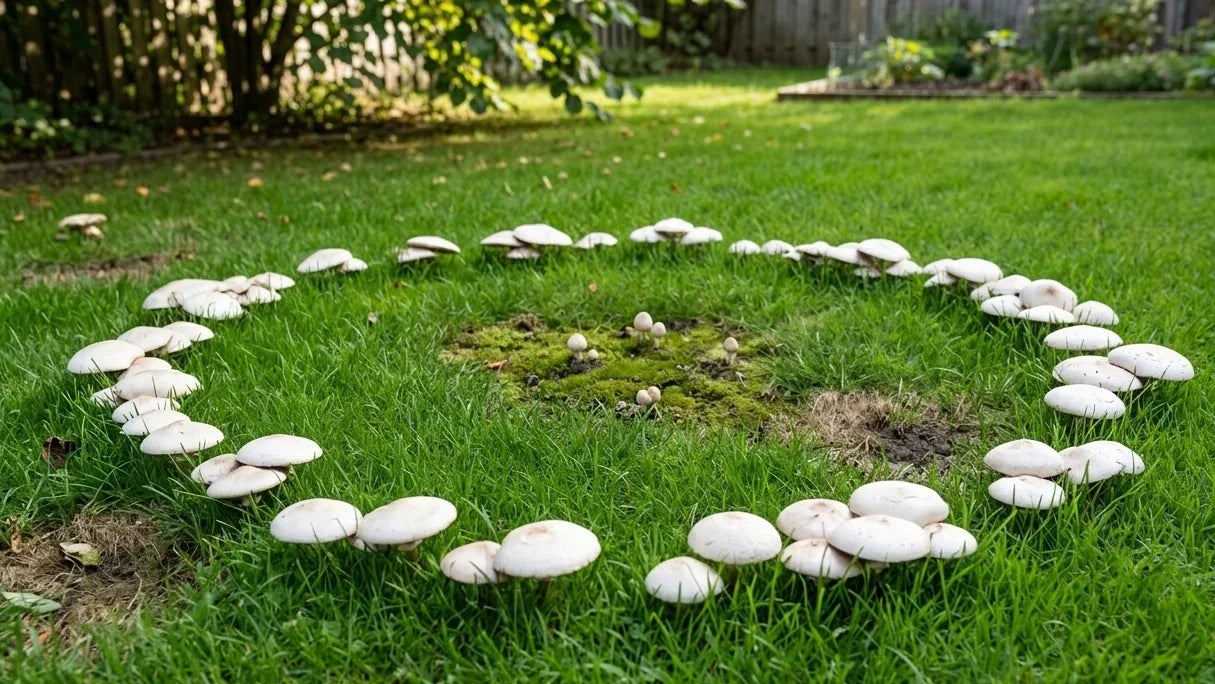
- Mulching Long, Wet Grass: Our damp climate often means wet turf. If the grass is too long and wet, it won't shred finely. Instead, it creates heavy mats that block sunlight and encourage moss.
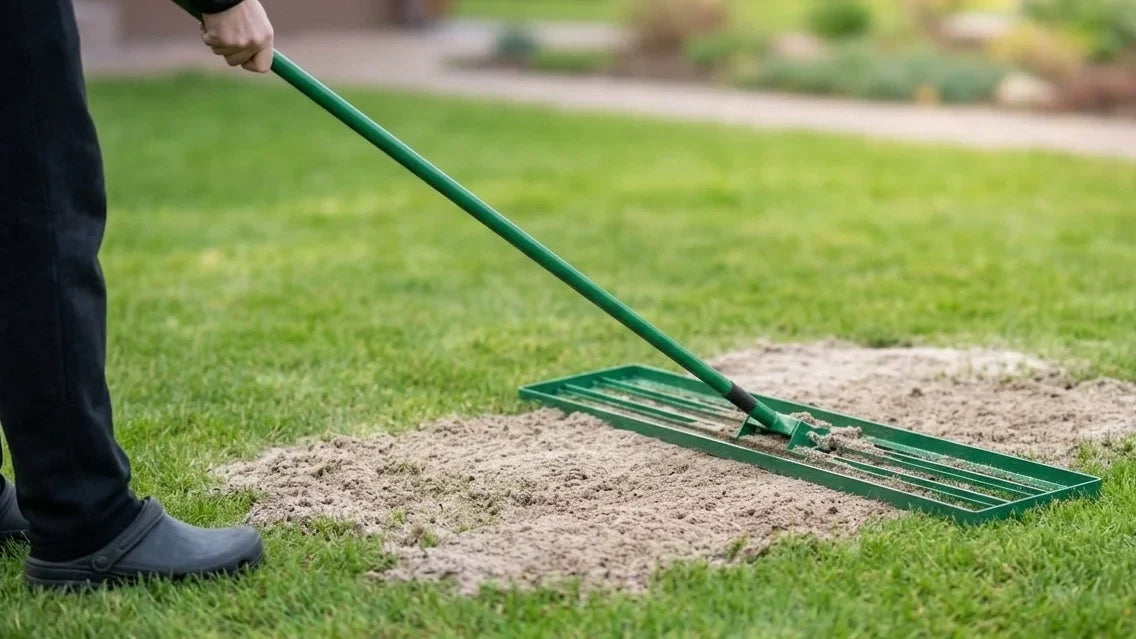
- Ignoring Thatch Buildup: While micro-clippings don't cause thatch, traditional mowers with dull blades can. Ensure your lawn is scarified if you notice a spongy, brown layer beneath the green.
- Cutting Too Low (Scalping): If you cut more than one-third of the grass blade at once, the "mulch" becomes too bulky to decompose properly.
- Using Blunt Blades: This is the #1 reason for poor mulching with a lawn mower. Dull blades bruise the grass, making it susceptible to disease.
- Mulching Diseased Grass: If your lawn has Red Thread or Fusarium patch, collect the clippings instead. Mulching will only recycle the spores back into the soil.
If your lawn has been neglected for months and the grass is "knee-high," do not attempt to mulch immediately. In this scenario, it is better to cut and collect (bag) the first growth, and only transition to mulching mowing once the lawn is back to a manageable height.
Part 7. Is Mulching Better Than Collecting Grass?
For the modern eco-conscious homeowner in the UK, the debate between mulching and bagging is largely settled.
|
Comparison Factor |
Collecting (Bagging) |
Mulching (Robotic/Frequent) |
|
Environmental Impact |
High waste; requires external fertilisers |
Low waste; uses natural nutrients |
|
Maintenance |
Labour-intensive (emptying bins) |
Automated or zero-disposal |
|
Cost |
Ongoing spend on fertiliser & waste fees |
Significant savings on garden inputs |
|
Time |
30-40% more time per mow |
Fastest (or fully automatic) |
Part 8. Why Robot Lawn Mowers Are Ideal for Mulching?

If you want the benefits of gardening mulching without the technical guesswork, robotic lawnmowers solutions are the answer. Modern and advanced robotic lawn mowers like Mammotion series models are engineered specifically for this purpose. Because they operate on a "little and often" schedule, they produce the ultimate "micro-clipping."
These tiny fragments are the perfect mulch for a garden because they disappear between the grass blades instantly. There is no waste collection, no heavy lifting, and the distribution is perfectly even across the entire acreage. For those looking for the best mulch for garden UK conditions—especially with our rapid grass growth in May and June—a robot ensures the lawn is never overwhelmed by clippings.
Part 9. How Much Water Could Be Saved?
Scientific studies indicate that consistent mulching mowing can reduce soil water evaporation by 20% to 30%. In the UK, this can be the difference between a lush green lawn and a scorched brown one during a summer dry spell.
|
Mowing Method |
Soil Moisture Retention |
Drought Resilience |
|
Traditional (Bagging) |
Low (Soil exposed to sun/wind) |
Poor (Tends to brown quickly) |
|
Mulching Mowing |
High (Protective moisture barrier) |
Excellent (Stays green longer) |
Conclusion
By acting as a natural parasol, the mulch keeps the soil temperature lower, allowing the grass to survive longer without supplemental watering. This not only saves money on water bills but also helps maintain a vibrant, resilient lawn even during hosepipe restrictions.
When mulching mowing is carried out consistently — particularly with a robotic lawn mower operating on a “little and often” schedule — the effect becomes even more powerful.
FAQs
1. Does mulching cause moss in UK lawns?
Contrary to popular belief, proper mulching mowing does not cause moss. Moss thrives in compacted, acidic, or poorly drained soil. Because mulch improves soil structure and promotes healthy grass growth, it actually makes the lawn more competitive against moss. However, you should avoid mulching with a lawn mower in early spring if your lawn is already heavily infested with moss, as you may spread moss spores rather than nutrients.
2. Can I use a mulching kit on a standard lawn mower?
Yes, many UK homeowners choose to install a "mulching plug" or a specific mulching blade kit on their existing petrol or electric mowers. A what is mulching lawn mower kit works by blocking the discharge chute and using a specially curved blade to keep clippings circulating under the deck until they are shredded. However, these are often less efficient than dedicated robotic mowers, especially when dealing with the fast-growing, damp rye-grass common in British gardens.
3. Is it okay to mulch weeds back into the garden?
Generally, you should avoid gardening mulching with weeds that have already gone to seed (like dandelions or thistles). While the green material will decompose, the seeds are resilient and will germinate, leading to a weed infestation. If you are using mulch for a garden bed, ensure your compost or grass clippings are weed-free to maintain a pristine aesthetic.
4. What is the difference between mulch and woodchips?
People often ask "what is mulch made of" compared to woodchips. Woodchips are a specific type of mulch, usually made from untreated shredded timber. While woodchips are excellent for woodland paths or under large trees, they can temporarily deplete nitrogen from the top layer of soil as they begin to break down. For active flower beds, "bark mulch" (which is aged) is a safer choice than fresh woodchips.
5. Can I mulch over existing weeds?
You can, but you must use a "suppression" method. If you are looking for the best mulch for garden UK weed control, you should first lay down a layer of biodegradable cardboard or a heavy-duty landscape fabric before applying 5–10cm of organic mulch. This "smothers" the weeds by blocking all sunlight, eventually killing them without the need for harmful chemical weedkillers.
Did you like this article? Add us as a preferred source to find us more easily on Google.