







Achieving a lush green lawn requires more than occasional watering or a random Sunday mow. A healthy lawn functions as a living ecosystem and depends on strong foundations.
In the UK’s climate, the secret to a vibrant, emerald-green lawn lies in a consistent “little and often” approach. This means combining seasonal practices such as scarifying and aeration to improve soil health with frequent, precise mowing that encourages grass to grow thicker and spread laterally. By maintaining the correct cutting height and feeding the soil properly, even a patchy, moss-ridden lawn can gradually transform into dense, professional-looking turf.
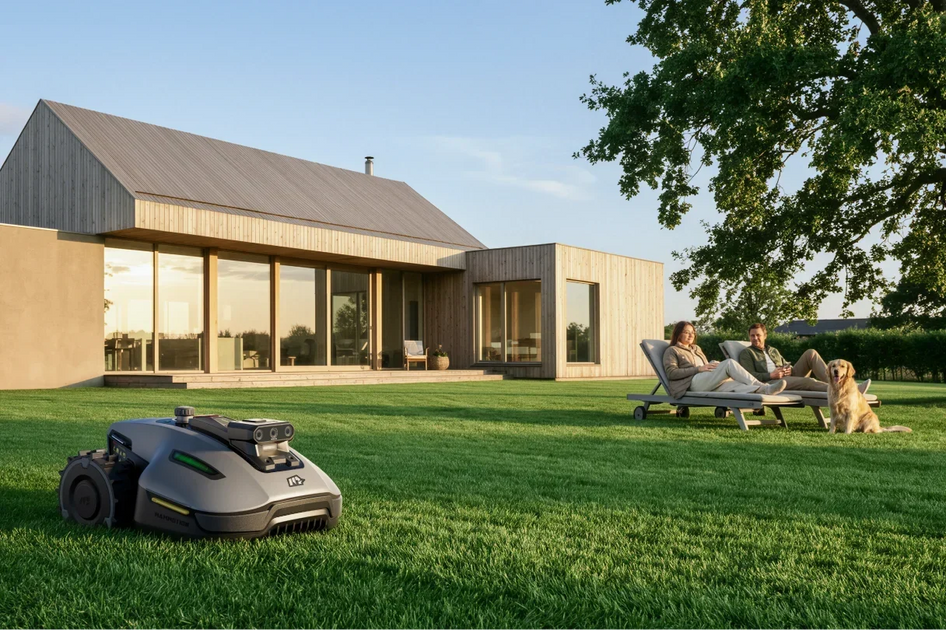
Traditionally, maintaining a lawn like this required significant time and effort. However, lawn care is evolving. Modern tools, such as Mammotion robotic lawn mowers, are changing how homeowners manage their gardens by delivering consistent mowing with minimal effort.
In this guide, you’ll learn the essential steps to get greener grass—from soil preparation and turf laying to mowing techniques, mulching, and moss control—so you can build a healthier and more beautiful lawn year-round.
Part 1. Why Is Your Grass Not Green?
Achieving vibrant, deep green lawn requires diagnosing the specific "ailment" affecting your turf. Here are the primary culprits for a dull UK lawn:
- Compacted Soil: Many UK gardens sit on heavy clay soil. Over time, foot traffic and rain squash the earth flat, preventing oxygen and water from reaching the roots. Without aerating your yard, the grass effectively "suffocates" and turns yellow.
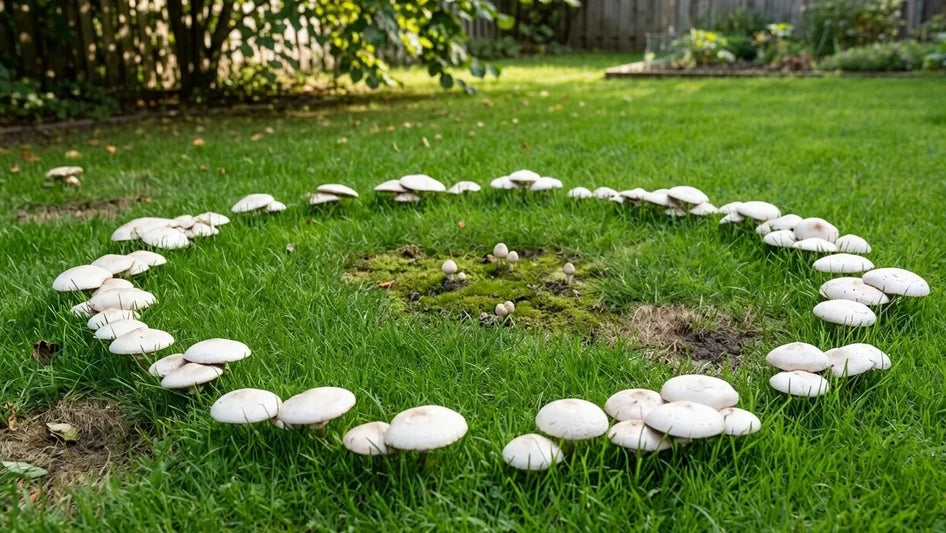
- The Moss Menace: Due to our high rainfall and shaded gardens, moss is a persistent rival. It creates a spongy carpet that outcompetes grass for space and nutrients, leading to patchy grass and a dull appearance.
- Scalping the Turf: It’s tempting to set your mower to the lowest setting to save time between cuts. However, cutting more than one-third of the grass blade at once stresses the plant, leading to brown tips and weakened health.
- Nutrient Starvation: Just like us, grass needs food. After a long winter or a heavy growing season, the nitrogen in the soil is often depleted. Without a regular fertilising lawn schedule, the blades lose their chlorophyll and fade.
- Pet Damage: If you have a dog, those circular yellow or brown spots are likely caused by high nitrogen levels in their urine. It essentially "burns" the grass.
- Pests and Larvae: Keep an eye out for "Leatherjackets" (crane fly larvae) or Chafer grubs. These pests eat the roots from underground, causing large sections of the lawn to die off seemingly overnight.
- Dull Mower Blades: Most homeowners forget to sharpen their blades. A dull blade tears the grass rather than slicing it, leaving jagged edges that turn white and make the whole lawn look "frosted" and unhealthy.
Part 2. Know Your Lawn: Key Factors Behind Green Grass
By mastering three core elements, you can tailor your lawn care routine—from aeration to fertilisation—for maximum impact.
Grass Type
In the UK, most residential lawns are a blend of Perennial Ryegrass and Fescues. Ryegrass is the "workhorse"—it’s hard-wearing and great for families with kids or dogs. Fescues, on the other hand, provide that ornamental, velvety look but are more delicate. Knowing your mix helps you decide on the best lawn design and growth.
Soil Type
British gardens often contend with heavy clay soil or sandy loam. Clay holds nutrients well but suffers from poor drainage, leading to waterlogging and the dreaded moss invasion. Sandy soil drains quickly but loses nutrients just as fast. Identifying your soil type is the first step in proper soil preparation.
Growth Cycle
Our grass follows a distinct "Cool Season" growth pattern. It peaks in Spring (April–May) and Autumn (September–October). During the height of a dry British summer, the grass may go dormant to protect itself. Understanding this cycle tells you when and how to cut lawn surfaces.
Lawn Density
A thick, dense lawn is your best natural defence against weeds. When grass is sparse, sunlight reaches the soil, encouraging weed seeds to germinate and moss to spread. High-density turf is achieved through regular lawn mowing and overseeding.
Part 3. Step-by-Step Guide: How to Get Green Grass?
If you want to get green grass and you must follow a structured six-step process: start by revitalising the soil through scarifying and aeration, followed by strategic feeding and consistent, high-frequency mowing and watering. This systematic approach ensures the grass remains resilient against the UK’s damp weather while maintaining a vibrant green hue year-round.
Step 1: Preparing Healthy Soil Condition
Soil health determines lawn health. If the foundation is solid, the grass will follow.
Aerating Your Yard

Compaction is the enemy of green grass. By aerating your yard—either with a hollow-tine aerator or a garden fork—you create channels for oxygen, water, and nutrients to reach the root zone. This is best done in autumn or spring when the soil is moist.
Scarifying Lawn

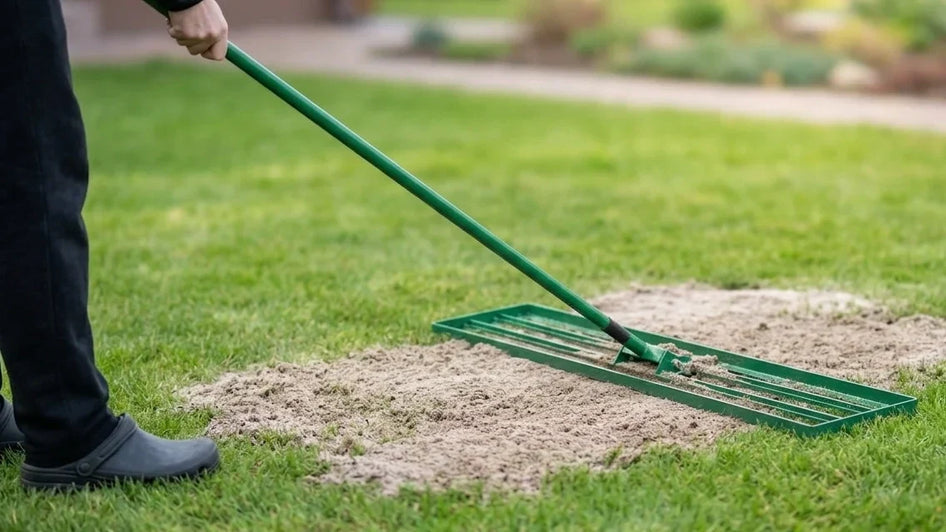
Over time, a layer of dead grass and debris called "thatch" builds up. A little is fine, but too much suffocates the plants. Scarifying your lawn involves "combing" out this debris. It looks messy initially, but it’s the only way to facilitate moss control and allow new shoots to breathe.
Step 2: Sowing or Laying Turf
If your lawn is beyond repair or you're starting from scratch, you have two choices.
Laying Turf

For "instant" results, laying turf is the way to go. Ensure the soil is levelled and firmed down first. It requires heavy watering for the first few weeks to ensure the roots "knit" with the soil.
Sowing

Overseeding is more cost-effective for fixing patchy grass. Choose a seed mix that matches your existing lawn. For the best results, lightly rake the surface, scatter the seeds, and keep the area moist until established.
Step 3: Fertilizing Lawn Properly

A "hungry" lawn will never be a green lawn. In the UK, use a nitrogen-rich fertiliser in the spring to "wake up" the grass. In the autumn, switch to a potassium-rich feed to strengthen the roots for winter. A consistent fertilizing lawn schedule prevents yellowing and helps the grass outcompete weeds.
Step 4: Mowing the Right Way

This is where most homeowners fail. The golden rule is the "One-Third Rule": never remove more than one-third of the grass blade in a single session. Lawn mowing should be a frequent task—ideally twice a week during the peak growing season.
Setting the right mowing height (usually 30-50mm for most UK back gardens) is vital. Because manual mowing is a chore, robotic lawn mowers are ideal for frequent light mowing, as they maintain a consistent height daily without you lifting a finger. This frequency is the biggest secret to how to get green grass that looks like a carpet.
Step 5: Mulching for Natural Lawn Nutrition

Mulching involves leaving grass clippings on the lawn to decompose, returning vital nitrogen and nutrients to the soil. Because frequent light mowing produces tiny, easily digestible clippings, they act as a natural mulch that keeps your grass greener for longer.
In the UK, many gardeners bag their clippings, but this removes up to 25% of the lawn's required nutrients. Frequent light mowing allows the clippings to disappear into the sward quickly. This is where robotic mowers shine; because they cut every day, the "mulch" is so fine it never looks messy, providing a constant organic boost to your soil health.
Step 6: Watering
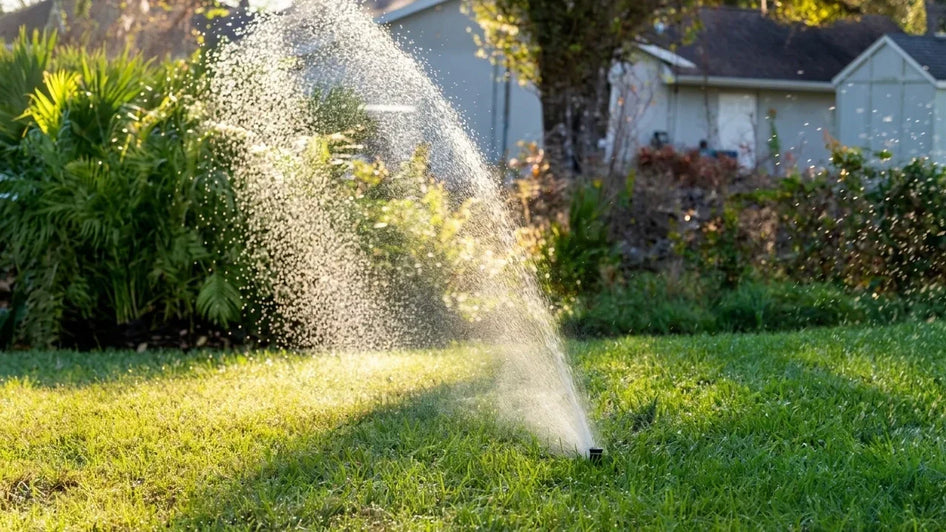
Grass should be treated like any other plant in the garden—it needs proper care to stay healthy and vibrant. To keep a lawn strong and actively growing, regular watering and appropriate feeding are just as important as cutting the grass.
During the summer months, lawns can lose a surprising amount of moisture. Even if a lawn is not watered during dry periods, it often recovers when cooler and wetter autumn conditions return. However, extended drought slows grass growth significantly, which can create ideal conditions for weeds and moss to spread across the lawn.
Step 7: Getting rid of Moss, Weeds, and Lawn Problems

Our damp climate is a breeding ground for spores. Effective moss control requires a two-pronged attack: chemical treatment (like sulphate of iron) followed by scarifying to remove the dead, blackened organic matter.
Once the moss is gone, you must fill the gaps immediately with seed to prevent weeds like dandelions or plantains from taking over. Maintaining a slightly higher mowing height in shaded areas also helps the grass compete against moss by allowing more light absorption.
Step 8: Create Beautiful Lawn Patterns

A professional-looking garden isn't just about the colour; it’s about the finish. Learning how to get stripes in your lawn or create cool lawn patterns can elevate your property's kerb appeal instantly. Whether you prefer traditional stripes or intricate geometric shapes, the best lawn design reflects a healthy, well-maintained turf.
Traditional lawn striping is achieved using a rear roller, but modern technology has taken lawn design further. Some advanced robotic mowers can now "print" patterns into the grass by varying the direction of the cut. Whether you want mowing the lawn patterns that mimic a football pitch or a custom logo, being able to pattern your lawn is the ultimate sign of a lawn care expert.
Part 4. Why Robot Lawn Mowers Help Keep Grass Green?
Traditional petrol mowers are often used once a week (or less), which shocks the grass. In contrast, robotic lawn mowers promote a "little and often" philosophy that is scientifically proven to create a healthier, greener lawn. By removing only a few millimetres of growth daily, the grass never enters a state of stress.
Frequent Mowing
Daily trimming encourages lateral growth, making the lawn thicker and preventing weeds from seeing the sun.
Consistent Height
Robots maintain the exact same height 24/7, avoiding the "shaggy-to-scalped" cycle of manual mowing.
Automatic Mulching
As mentioned, the tiny clippings are the perfect natural fertiliser.
Time Saving
You regain your weekends while the robot handles the labour-intensive lawn mowing also anytime you want.
Part 5. Why Mammotion Robotic Lawn Mowers Stand Out?

If you are choosing which robot lawn mower brand to buy, Mammotion is redefining the UK gardening landscape by removing the most common barrier to robotic adoption: the perimeter wire. Designed for the diverse and often challenging British garden, Mammotion mowers offer a professional finish with "set-and-forget" simplicity.
Wire-free Installation
Mammotion mowers don't require you to dig up your garden to bury wires. It’s all controlled via high-precision satellite positioning.
Versatile for Any Garden
Whether you have a small cottage plot or a sprawling estate with steep slopes (up to 80%), Mammotion handles it with ease.
AI Obstacle Detection
AI Vision and hardware bumpers protect local wildlife—like hedgehogs—and avoid garden furniture or forgotten toys.
Lawn Printing Patterns
Mammotion’s unique technology allows you to create custom lawn design patterns and even "write" or "draw" on your grass via the app.
Eco-Friendly
Fully electric and energy-efficient, these mowers help you reduce your carbon footprint while maintaining a pristine yard.
Part 6. Seasonal Lawn Care Calendar
To keep your grass in peak condition, you must adapt your routine to the British seasons. Use the table below to plan your year-round maintenance.
|
Season |
Months |
Key Tasks |
Notes |
|
Spring |
March - May |
Scarifying, Aerating your yard, Seeding, First Mow |
Increase mowing frequency as temperatures rise above 10°C. |
|
Summer |
June - August |
High-height mowing, Watering, Light Fertilising lawn |
Raise the mower blade during heatwaves to protect roots. |
|
Autumn |
Sept - Nov |
Moss control, Over-seeding, Scarifying lawn, Leaf clearing |
The best time for proper soil preparation before winter dormancy. |
|
Winter |
Dec - Feb |
Mower maintenance, Minimise walking on grass |
Avoid mowing if the ground is frozen or waterlogged. |
Conclusion
Achieving the perfect green lawn in the UK isn't a matter of luck; it’s a result of proper soil preparation (aerating your yard, scarifying lawn), strategic sowing, consistent fertilisation, watering and expert moss control. By understanding your soil and grass type, you can transform your garden into a lush, healthy masterpiece.
While the manual steps of aeration and feeding remain vital, the day-to-day effort of lawn mowing and creating beautiful lawn patterns no longer has to be a chore. With consistent maintenance and the help of smart tools such as Mammotion robotic lawn mowers, maintaining a healthy green lawn can become easier, more sustainable, and more professional than ever before.
FAQs
1. When should I stop mowing my lawn for winter in the UK?
In late October or early November. But it depends on the local soil temperature. You should stop mowing once the grass stops growing actively (usually when temperatures consistently drop below 5°C). Ensure your final session uses a higher cutting height for winter to protect the roots from frost.
2. How can I fix bare patches in grass without digging up the whole lawn?
The most effective way to fix patchy grass quickly is through a process called "spot-seeding." Clear any dead debris from the bald area, loosen the top inch of soil, and apply a high-quality lawn top-dressing mixed with grass seed. Keep the patch moist, and avoid letting your robotic mower travel over that specific zone until the new shoots are at least 2 inches tall.
3. How do I improve drainage in a waterlogged lawn?
To fix a boggy lawn, you should combine deep aeration with lawn top-dressing. After using a hollow-tine aerator to create deep holes, brush a mixture of sharp sand and organic loam into the cavities. This replaces heavy clay with a free-draining medium, significantly reducing surface water and preventing moss invasion in the winter months.
4. Will a robotic lawn mower work on uneven ground or bumpy gardens?
Yes, high-end models like the Mammotion LUBA series are specifically engineered for mowing uneven lawns and steep inclines. Equipped with all-wheel drive and a floating cutting deck, they can navigate bumps and ridges without "scalping" the turf, ensuring a consistent finish even on the most challenging UK garden terrains.
Did you like this article? Add us as a preferred source to find us more easily on Google.