







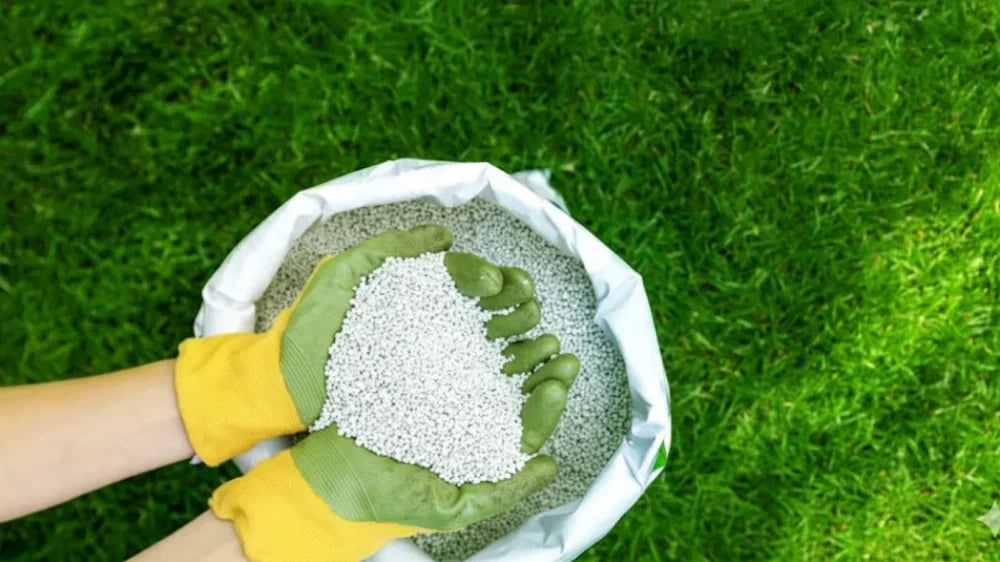
A healthy, resilient lawn does not depend solely on the type of fertiliser you choose — timing plays an equally crucial role. However, “timing” is not just about the season. It also involves understanding soil temperature, weather conditions and the natural growth cycle of your grass. Fertilising too early, too late or in unsuitable conditions can limit nutrient absorption and even cause unnecessary stress to your lawn.
In this guide, we will answer the most common questions homeowners ask — including when to fertilize lawn, how often to fertilize lawn and how to build an effective lawn fertilizer schedule. Finally, we’ll explore how combining fertilisation with consistent mowing — particularly using a robotic lawn mower can significantly enhance overall lawn performance.
Part 1. Conditions for Application (Before You Fertilise)
Before you rush out to the garden shed, it is vital to understand that "when to feed a lawn" is determined more by biological conditions than the date on the calendar. In the UK, our erratic spring weather means that April in Cornwall looks very different from April in the Scottish Highlands.
1. Soil Temperature: Wait for Active Growth
Do not fertilise until soil temperatures consistently reach around 8–10°C and the lawn shows clear signs of active growth. Feeding dormant grass reduces nutrient uptake efficiency and wastes product. In most parts of the UK, this typically falls between mid-March and late April, depending on regional climate.
2. Moisture Levels: Moist, Not Saturated
- Apply fertiliser when the soil is lightly moist but not waterlogged.
- Avoid saturated ground, as nutrients may leach away.
- Avoid prolonged dry spells or heatwaves, which increase the risk of scorch.
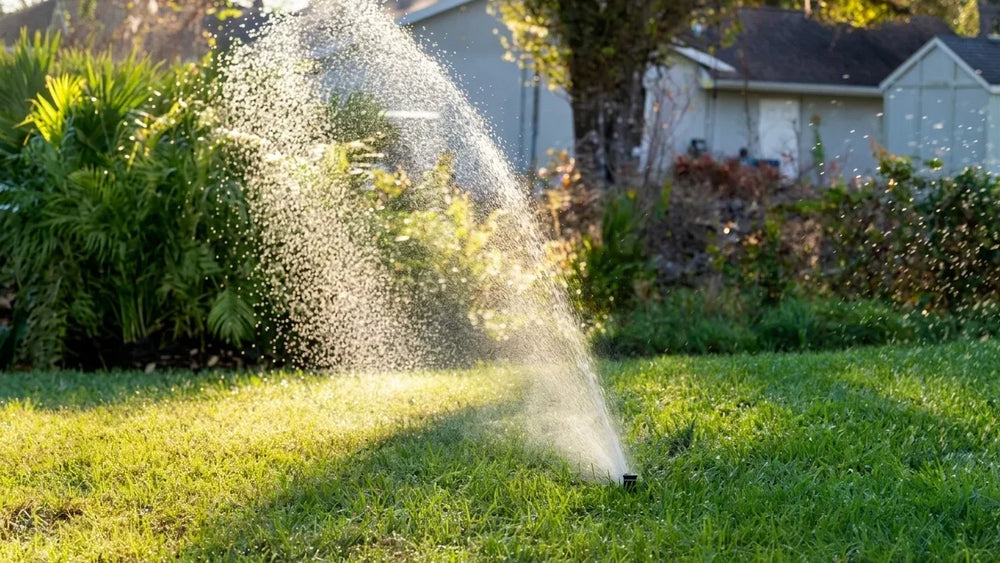
Ideally, light rainfall within 24 hours — or gentle irrigation — will help nutrients move into the root zone.
3. Lawn Condition: Do Not Feed Stressed Turf
Refrain from fertilising lawns affected by disease, severe drought stress or heavy compaction. Forcing top growth under stress can weaken root systems. Resolve underlying issues (such as aeration or disease control) before applying feed.
4. Stable Weather Conditions
Avoid fertilising before heavy rain, frost or extreme heat. Mild, overcast conditions are generally the safest window for application.
Part 2. Why Timing Matters When Fertilizing the Lawn?
Correct timing ensures that your grass is biologically capable of absorbing the nutrients you provide. In the UK, our weather is unpredictable, and grass has specific periods of peak activity.
If you apply lawn fertiliser at the wrong time, the nutrients will either sit idle on the surface or wash away into the soil, failing to reach the roots. By synchronising your feeding with the natural growth cycles of British turf, you avoid wasting money and protect the health of your lawn.
Benefits of Correct Timing
- Maximises nutrient uptake (NPK) during peak biological activity.
- Encourages deeper root development in spring and early autumn.
- Promotes steady, manageable growth, reducing stress and disease risk.
Risks of Poor Timing
- Feeding too early: Stimulates weak top growth before roots are ready.
- Feeding in heat or drought: Increases risk of fertiliser scorch.
- Applying before heavy rain: Leads to nutrient runoff and reduced effectiveness.
- Late autumn nitrogen use: Encourages soft growth vulnerable to frost damage.
Part 3. When to Fertilize Lawn (Season by Season)
For the best results, you should apply lawn fertiliser when the grass is actively growing, which in the UK typically falls between late March and September. In the UK, we don't just have four seasons; we have "growing windows." Aligning your lawn treatment with these windows ensures your grass remains thick, green, and weed-free.

Spring (March–May): The Great Awakening
This is the most important time to apply lawn fertiliser. After a cold, wet winter, your soil's nutrient reserves are depleted. As the days lengthen and the soil temperature hits the 8–10°C mark, the grass begins its primary growth spurt.
When to feed a lawn in Spring
Aim for late March or April, once the risk of heavy snow has passed and you’ve performed your first "light trim" with your Mammotion mower lawnmower.
What to use
Use a high-nitrogen (N) spring lawn feed. Nitrogen encourages lush green leaf growth and helps the grass recover from winter moss or bald patches.
A strong start in spring builds a dense "sward" (the carpet of grass), which naturally out-competes weeds and moss before they have a chance to take hold.
Summer (June–August): Maintenance and Resilience
In the UK, summer can range from a washout to a rare heatwave. The goal of a summer lawn treatment is not to force rapid growth, but to maintain health and colour without stressing the plant.
When to spread lawn fertiliser in Summer
Only apply if there is sufficient moisture. If we are in a dry spell or a "hosepipe ban" is in place, skip the fertiliser entirely to avoid scorching.
What to use
Look for a "slow-release" or "organo-mineral" fertiliser. These granules break down slowly over 8–12 weeks, providing a steady "drip-feed" of nutrients.
Focus on magnesium and iron rather than just high nitrogen; these minerals provide a deep green "show lawn" look without causing the grass to grow uncontrollably fast.
Autumn (September–October): Strengthening the Foundation
Many UK homeowners forget this step, but applying lawn fertiliser in autumn is arguably more important for long-term health than the spring feed.
When to feed a lawn in Autumn
September is the "Goldilocks" month—warm soil and plenty of rain.
What to use
Switch to a specific Autumn/Winter feed. This should be low in nitrogen but high in Potassium (K) and Phosphorus (P).
- Potassium strengthens the cell walls, making the grass "hardy" against frost and disease.
- Phosphorus encourages deep, strong root growth.
You are "winterising" your lawn. A strong root system built in autumn ensures the grass survives the freezing January temperatures and bounces back faster next spring.
Winter (November–February): Rest and Recovery
During the British winter, your lawn enters a period of dormancy. Applying lawn fertiliser in mid-winter is a waste of resources. The grass isn't growing, so it won't absorb the nutrients.
Part 4. How Often to Fertilise Lawn?
For a standard domestic garden, you should apply lawn fertiliser between 2 and 4 times per year. A two-feed programme (Spring and Autumn) is the bare minimum for a healthy lawn, while a four-feed programme (Spring, Early Summer, Late Summer, and Autumn) is recommended for those seeking a "professional-standard" emerald sward.
Determining Your Lawn's Hunger
The frequency depends on your specific lawn goals and the type of turf you have. Most British lawns are a mix of Ryegrass and Fescues, which are "hungry" during their peak growth phases.
The Utility Lawn (2 Feeds/Year)
If your garden is a playground for kids and dogs, a simple "In-and-Out" approach works best. Apply a nitrogen-rich feed in late April and a potassium-heavy feed in September.
The Ornamental Lawn (4+ Feeds/Year)
If you are a lawn enthusiast, you might spread lawn fertiliser every 8–10 weeks during the growing season. This maintains a consistent nutrient level and prevents the "yellowing" often seen in mid-summer.
New Turf vs. Established Grass
New lawns (laid within the last 12 months) require more frequent, phosphorus-rich "starter" feeds to encourage root anchoring, whereas established lawns focus more on nitrogen for leaf colour.
Frequency Based on Lawn Type
|
Lawn Type |
Frequency |
Primary Nutrient Focus |
|
New Turf/Seed |
Every 4–6 weeks |
Phosphorus (Root growth) |
|
Family/Utility Lawn |
2–3 times per year |
Nitrogen (Recovery from wear) |
|
Show/Ornamental Lawn |
4–5 times per year |
Balanced NPK + Iron (Colour & Density) |
|
Neglected/Sandy Soil |
Every 6 weeks (Light doses) |
Organic matter + Slow release |
Pro Tip: If you use a Mammotion robotic mower, you can actually reduce the frequency of synthetic fertilisation. Because it mulches micro-clippings back into the soil, it provides a constant, natural "nitrogen return," potentially saving you one full fertiliser application per year.
Part 5. Should You Mow Before or After Fertilising?
You should always mow your lawn 24 to 48 hours BEFORE fertilising. Mowing first removes excess growth, ensuring the fertiliser granules can reach the soil surface quickly and evenly without getting caught in long grass blades.
After applying the fertiliser, you should avoid mowing for at least 48 hours (or until the fertiliser has been thoroughly watered in) to prevent the mower from picking up or disturbing the granules. When you apply lawn fertiliser, the goal is "soil contact."
- Clear Path: Shorter grass allows the granules to drop straight to the "crown" of the plant and the soil.
- Safety for the Mower: Fertiliser granules are essentially mineral salts. If you mow immediately after spreading, the suction from the mower blades can vacuum up the expensive granules, wasting your money and potentially corroding the mower's underside.
- Even Distribution: Mowing ensures an even "playing field," so the spreader can distribute the feed without hitches.
Part 6. How Robotic Lawn Mowers Enhance Fertiliser Performance?
Traditional mowing is often reactive—you wait for the grass to get long and then hack it back. This creates a "boom and bust" cycle for the plant's nutrients. In contrast, using a Mammotion robot lawnmower creates a stable environment where your lawn feed is utilised with maximum efficiency.
Continuous Nutrient Recycling (Mulching)
Unlike traditional mowers that bag up clippings, Mammotion robots perform "micro-clipping." These tiny fragments break down in hours, returning up to 25% of the lawn's nitrogen requirement back to the soil. This natural "spoon-feeding" complements your granular fertiliser, leading to a much thicker sward.
Zero-Stress Absorption
When you apply lawn fertiliser, the grass starts growing faster. A traditional mower might cut off 50% of the leaf at once, shocking the plant and wasting the energy it just absorbed. A robotic mower clips just 1-2mm daily, allowing the grass to focus all its nutrient-powered energy on strengthening its roots and lateral density.
Consistent Sward Height
Uniform height means uniform light and air penetration. When you spread lawn fertiliser on a perfectly level lawn kept by a Mammotion robot lawn mower, the granules distribute more evenly across the soil surface, preventing the "patchy" greening often seen with manual mowers.
Smart Scheduling via App
British weather is fickle. If you've just fed a lawn and a sudden dry spell hits, you can instantly adjust your mowing height or frequency from the Mammotion app to protect the grass from stress while it processes the nutrients.
Unique Insight
Most UK gardeners think of fertiliser and mowing as two separate tasks. In reality, they are a single system. A robotic mower acts as a "nutrient manager," ensuring that the fuel you put into the soil (fertiliser) is converted into a healthy, resilient plant rather than just waste in a grass bag.
Part 7. The Ideal Lawn Fertilizer Schedule & Smart Mowing Routine
To help you achieve the best garden on the street, we have combined the best British gardening practices with Mammotion’s smart technology into one easy-to-follow seasonal routine. This table outlines the precise Frequency and Action required for professional-grade results.
|
Season |
Frequency |
Fertiliser Action |
Mammotion Mowing Strategy |
UK Specific Focus |
|
Spring (Mar–May) |
1–2 Times |
Apply high-nitrogen feed once the soil reaches 10°C. Typically late March and mid-May. |
Start with a high cut (50mm–60mm) and gradually lower to 35mm as growth accelerates. |
Recovery: Moss control and repairing winter "bare patches" are the priorities. |
|
Summer (Jun–Aug) |
1 Time (Optional) |
Spread slow-release fertiliser only if rain is forecast. Skip during "Hosepipe bans" or drought. |
Increase cutting height to 50mm+; use "Rain Detection" to avoid clumping in damp weather. |
Resilience: Keeping grass longer shades the soil and prevents "scorching" from the sun. |
|
Autumn (Sep–Oct) |
1 Time |
Apply Potassium-rich Autumn feed. This is the most critical application for winter survival. |
Maintain regular frequency but gradually raise the cutting height for the final weeks of the season. |
Hardiness: Strengthening cell walls and encouraging deep roots before the first frost. |
|
Winter (Nov–Feb) |
0 Times |
No fertiliser required. Grass is dormant and cannot absorb nutrients. |
Storage & Service: Clean the robot, sharpen or replace blades, and store indoors. |
Dormancy: Avoid walking on the lawn during heavy frost to prevent "bruising" the grass. |
Conclusion
Achieving a professional-standard lawn in the UK isn't about working harder; it’s about working smarter. By understanding when to apply lawn fertiliser and aligning those nutrients with a consistent, automated mowing routine, you move away from the "guesswork" of traditional gardening.
FAQs
1. Is lawn fertiliser safe for dogs and cats?
Most standard granular lawn fertilisers require a "waiting period" before pets can roam freely. To ensure pet-safe lawn feeding, always wait for the granules to be fully dissolved by rain or a hosepipe before letting dogs or cats onto the grass.
If you are concerned about chemical exposure, look for organic seaweed-based fertilisers or "pet-safe" certified formulas which allow for immediate access after application.
2. Should I use liquid lawn feed or granular fertiliser?
The choice between liquid vs granular lawn fertiliser depends on your goals. Liquid lawn feed provides an almost instant "green-up" and is excellent for mid-season boosters, as the nutrients are absorbed through the leaf.
However, granular lawn fertilisers are generally preferred for seasonal base-feeding in the UK because they provide a slow-release nutrient flow over several months, which is more cost-effective for large gardens.
3. Does fertilising a lawn kill moss?
While nitrogen-rich fertilisers help grass outgrow moss, they do not kill it directly. To effectively remove moss from a UK lawn, you should use a combined weed, feed, and moss killer containing ferrous sulphate (iron).
Once the moss turns black and dies, you must scarify the area to remove the dead thatch before your Mammotion LUBA resumes its regular maintenance to encourage the grass to fill in the gaps.
4. Can I fertilise a lawn that has just been scarified or aerated?
Yes, fertilising after scarifying or aerating is highly recommended. Aeration creates channels that allow oxygen and nutrients to reach the root zone more effectively.
Applying a high-phosphorus starter fertiliser after these intensive treatments helps the grass recover from the "trauma" of thatch removal and encourages rapid new growth to prevent weeds from colonising the exposed soil.
5. Will fertiliser wash away if it rains too hard?
While light "British drizzle" is the ideal partner for applying lawn fertiliser, a heavy downpour or flash flood will cause nutrient leaching. If the forecast predicts torrential rain, it is best to postpone your lawn feeding schedule. Excessive water washes the nitrogen and potassium off the soil surface and into the drainage system, which wastes your investment and can lead to algae blooms in local ponds and streams.
Did you like this article? Add us as a preferred source to find us more easily on Google.